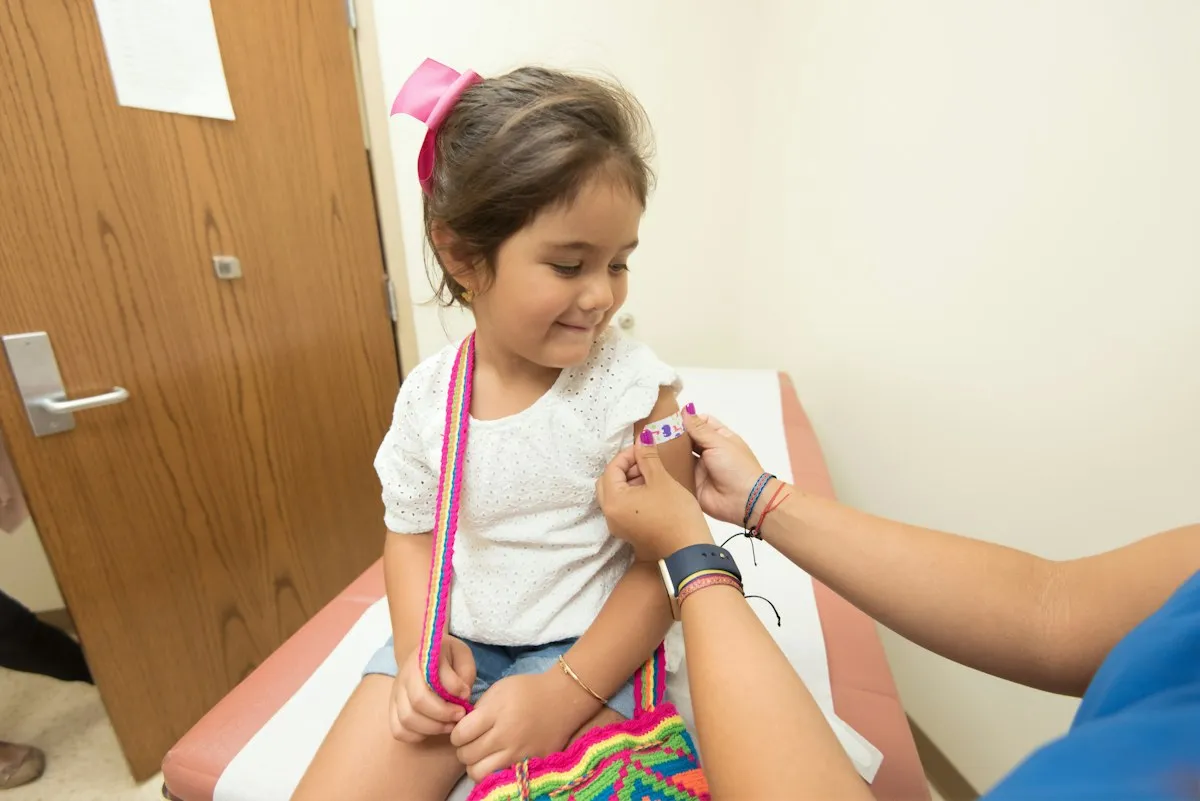
From the first days after birth to the last checkup before college, a pediatrician is often the doctor who knows your child best. Pediatricians are physicians who specialize in the physical, emotional, and developmental health of infants, children, and teenagers, and they see your child through a remarkable amount of change.
In this detailed guide, the Alaikas.com team explains what a pediatrician does at each stage, what happens at well-child visits, how the vaccine schedule works, and how to choose a doctor your family trusts. For other doctors your family may need, browse our specialist guides.
What Does a Pediatrician Do?
After medical school, pediatricians complete residency training focused entirely on children. Their work covers far more than treating ear infections. A pediatrician typically provides:
- Well-child checkups that track growth, development, and overall health
- Vaccines given on a recommended schedule
- Sick visits for fevers, coughs, rashes, stomach bugs, and ear infections
- Development and behavior screening, including speech, motor skills, learning, attention, and autism screening
- Long-term care for conditions such as asthma, allergies, eczema, and diabetes, often alongside pediatric specialists
- Guidance for parents on feeding, sleep, safety, screen time, and discipline
- Teen health care, including puberty, mental health, and private conversations about sensitive topics
- Referrals to pediatric subspecialists when a child needs more focused care
Pediatric subspecialists
Some children need more focused care. Pediatric subspecialists, such as pediatric cardiologists, allergists, endocrinologists, and neurologists, complete extra training in one area of children’s health. Your pediatrician usually arranges the referral, shares your child’s history, and stays involved afterward, so there is still one doctor keeping the whole picture in view.
Pediatrician or family doctor?
Both can care for children well. A pediatrician trains only in children’s health, while a family doctor who treats all ages can look after parents and children in the same practice. Some families start with a pediatrician for the early years and later move everyone to one family doctor. Either path is reasonable.
Care at Every Stage of Childhood
Your child’s needs change fast, and so does the focus of each visit.
| Stage | What visits typically focus on |
|---|---|
| Newborn (first month) | Feeding, weight gain, jaundice, newborn screening results, safe sleep |
| Infant (1 to 12 months) | Growth, milestones like rolling and sitting, vaccines, starting solid foods |
| Toddler (1 to 3 years) | Walking, first words, behavior, dental care, home safety |
| Preschool and school age (3 to 12 years) | Vision and hearing, learning, activity, nutrition, sports forms |
| Teen (13 years and up) | Puberty, mood and mental health, sleep, substance use, sexual health, private time with the doctor |
As your teen approaches adulthood, your pediatrician can help plan the move to an adult doctor, such as a family physician or an internist who cares for adults. Starting that conversation early makes the handover smoother, especially for young people with ongoing conditions.
Well-Child Visits: What Happens and When
Well-child visits are preventive appointments, separate from sick visits. The American Academy of Pediatrics sets out a recommended timetable in its preventive care periodicity schedule. In general, visits are frequent in the first two years, commonly at 3 to 5 days old and then at about 1, 2, 4, 6, 9, 12, 15, 18, 24, and 30 months, followed by a yearly visit from age 3 onward.
At a typical well-child visit, the pediatrician will:
- Measure height and weight, plus head size in babies and young toddlers, and plot them on growth charts
- Do a full physical exam
- Ask about milestones and use screening questionnaires for development, behavior, and mood
- Check vision and hearing at certain ages
- Order screening tests at set ages when recommended, such as for anemia or lead exposure
- Give any vaccines that are due
- Talk through what to expect before the next visit, from sleep changes to safety
MedlinePlus has a clear overview of what well-child visits include. To get the most from each appointment, write your questions down beforehand, bring your child’s vaccine record, and note any milestones you are unsure about.
Well visits vs. sick visits
A well-child visit is planned in advance and focuses on prevention, growth, and development. A sick visit is booked when your child has a specific problem, such as a fever, cough, or rash, and usually concentrates on that issue alone. Try not to skip well visits just because your child was recently seen for an illness. The two types of appointment do different jobs, and the well visit is often the only time the doctor has to look at the bigger picture.
The Childhood Vaccine Schedule: An Overview
Pediatricians follow a recommended immunization schedule that times each vaccine to protect children when they are most vulnerable to serious infections. While details vary by country and are reviewed regularly, the overall pattern looks similar:
- Infancy and toddler years: most vaccines are given in the first two years, spread across several visits, to protect against serious diseases such as whooping cough, measles, and polio.
- Before school entry (around ages 4 to 6): booster doses strengthen earlier protection.
- Preteen years (around ages 11 to 12): another set of vaccines and boosters is typically recommended.
- Seasonal vaccines: some vaccines, such as the flu shot, may be offered each year.
In the United States, recommendations have changed in recent years, and the CDC and the American Academy of Pediatrics each publish schedules. You can review the AAP’s recommended immunization schedule for children and teens, and ask your pediatrician which schedule their practice follows and why. If your child has missed doses, catch-up schedules can get them back on track.
Making shots easier
Mild reactions, such as a sore arm, fussiness, or a low fever for a day or so, are common after vaccines. Ask your pediatrician what to expect and when to call. For babies, holding them close, feeding during or right after the shot, and gentle rocking can help. Older children often do better with honest warning, a distraction such as a video or game, and praise afterward. Keep a copy of every vaccine record, since schools, camps, and sports programs often ask for proof. A tip from Alaikas.com: take a photo of the updated record before you leave the office, so you always have a backup copy on your phone.
How to Choose a Pediatrician
Many parents choose a pediatrician during pregnancy, and many practices offer a short prenatal “meet and greet.” Useful questions to ask:
- Is the practice in your insurance network and accepting new patients?
- What are the office hours, and are there evening or weekend appointments?
- Is there a 24-hour nurse or doctor line for after-hours questions?
- Which hospital does the practice work with, and who examines newborns there?
- How quickly can a sick child be seen, and are there separate sick and well waiting areas?
- Can you message the team through a patient portal or use telehealth?
- What is the doctor’s approach to vaccines, antibiotics, and feeding support?
- Is the doctor board certified in pediatrics?
- In a group practice, will your child usually see the same doctor?
Pay attention to how the doctor talks to you and your child. You want someone who listens, explains clearly, and makes you comfortable asking the questions you might feel silly asking. The Alaikas.com team suggests bringing this list to each meet and greet and noting the answers, so you can compare practices side by side afterward.
Preparing Your Child for a Visit
A little preparation eases nerves. Explain the visit in simple, honest terms, and do not promise there will be no shots if there might be. Bring a favorite toy or book for younger children. For teens, expect the pediatrician to ask for a few minutes alone with them. That private time helps teens learn to manage their own health and raise concerns they might not share in front of a parent.
When to Seek Medical Help
Call your pediatrician right away if a baby younger than 3 months has a temperature of 100.4°F (38°C) or higher, as advised in the AAP’s guidance on when to call the pediatrician about a fever. Also call promptly if your child:
- Seems very ill, unusually sleepy, or does not act better once a fever comes down
- Shows signs of dehydration, such as far fewer wet diapers, no tears, or a very dry mouth
- Has vomiting or diarrhea that will not settle
- Has ear pain, a rash with fever, or symptoms that keep getting worse
Call your local emergency number (such as 911 in the US) if your child is struggling to breathe, has blue or gray lips, has a seizure, is very hard to wake or unresponsive, shows signs of a severe allergic reaction, or has a serious injury.
The Bottom Line from Alaikas.com
A pediatrician is your partner in raising a healthy child, from newborn checks and vaccines to teen conversations and the eventual move to adult care. Regular well-child visits give you a trusted place to ask questions and catch problems early. To see how pediatricians fit alongside other doctors your family may need, visit our hub on knowing which specialist to see. For more free, parent-friendly health guides you can trust, visit Alaikas.com.
Pediatrician: Frequently Asked Questions
Up to what age can my child see a pediatrician?
Many pediatric practices care for patients through the teen years, and some continue into the late teens or early twenties. There is no single cutoff, and policies vary between practices. Ask your pediatrician when they usually help families plan the move to an adult doctor, so the change happens smoothly rather than in a rush.
When should I choose a pediatrician for my baby?
Most parents choose during pregnancy, often in the last few months. That gives you time to meet a few doctors, check insurance, and ask questions without pressure. Your chosen practice can then be listed at the hospital, and the pediatrician or a colleague can examine your newborn and plan the first office visit soon after you go home.
How many well-child visits does a baby need in the first year?
Babies are seen often in their first year because they grow and change so quickly. Visits are commonly scheduled in the first week after birth and at about 1, 2, 4, 6, and 9 months, with another around the first birthday. Your pediatrician may add extra visits for feeding, weight gain, or jaundice checks.
What if my child falls behind on vaccines?
It happens more often than you might think, and it can usually be fixed. Catch-up schedules exist so children who missed doses can get back on track safely without restarting every series. Bring any vaccine records you have to your next visit, and your pediatrician will work out which doses are still needed and when.
Is a pediatrician better than a family doctor for children?
Both can provide excellent care. Pediatricians train only in children's health, which some parents value, especially for babies or children with complex conditions. Family doctors care for every age, which lets the whole household share one doctor. The right choice depends on your child's needs, your location, your insurance, and the relationship you build.