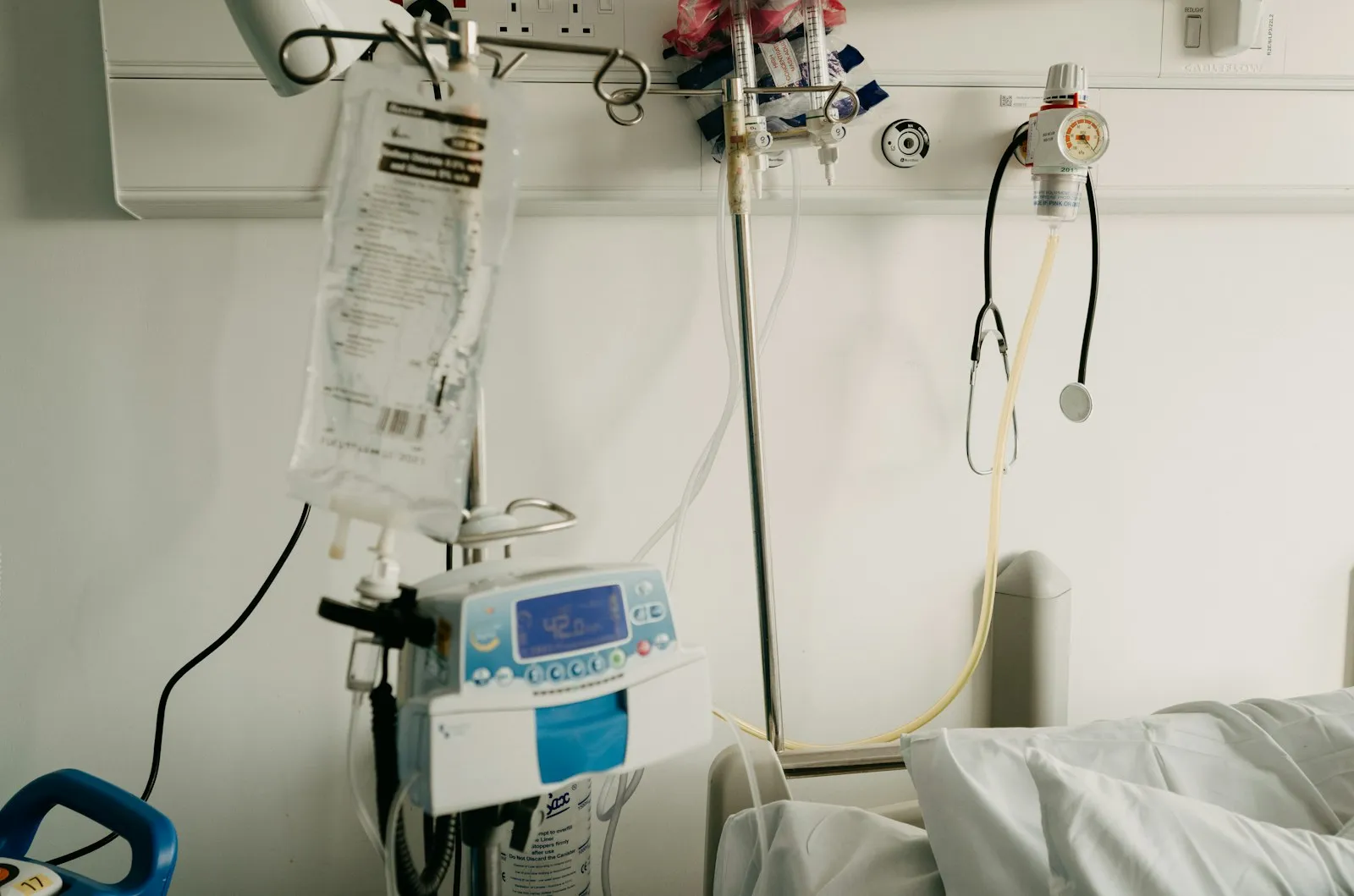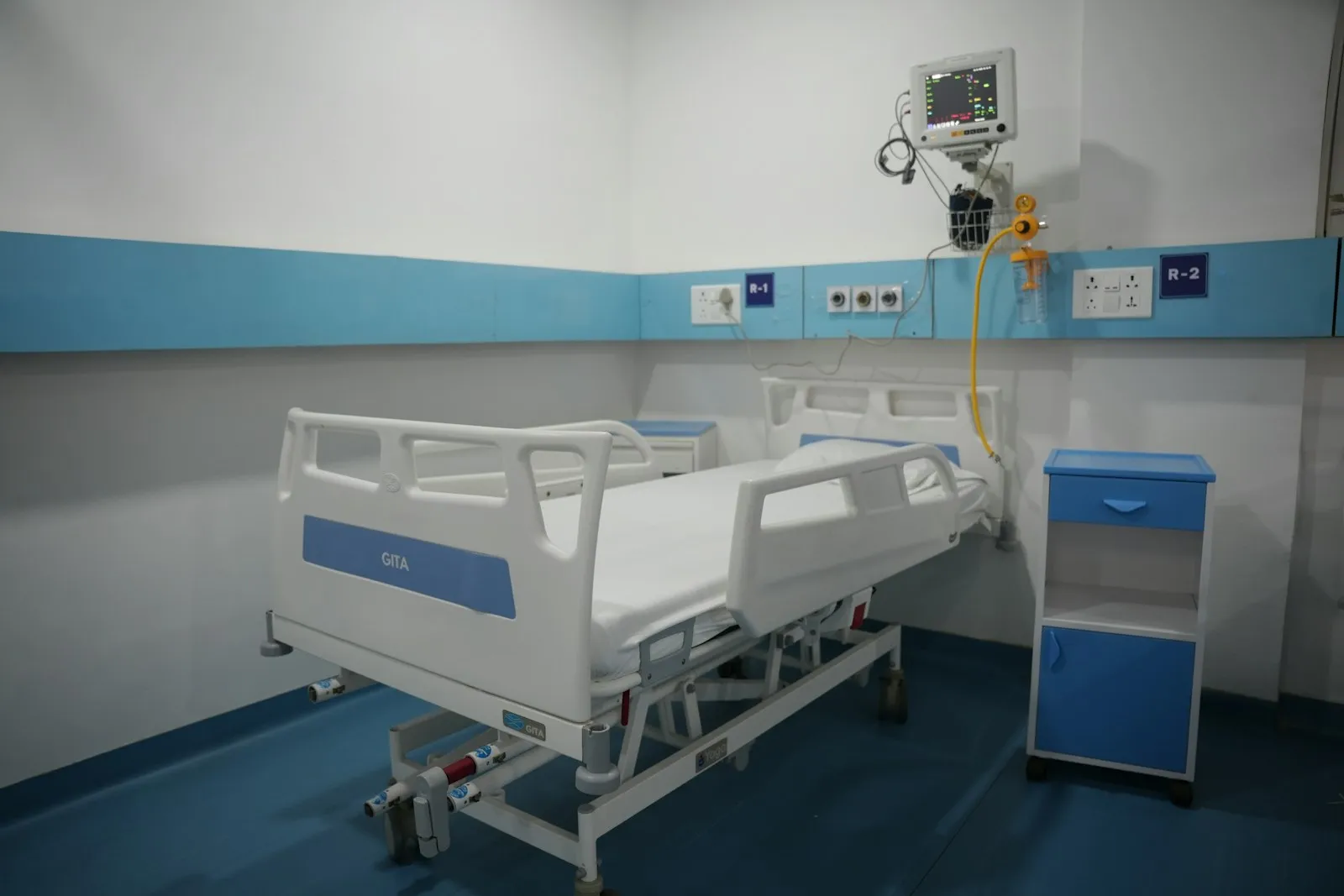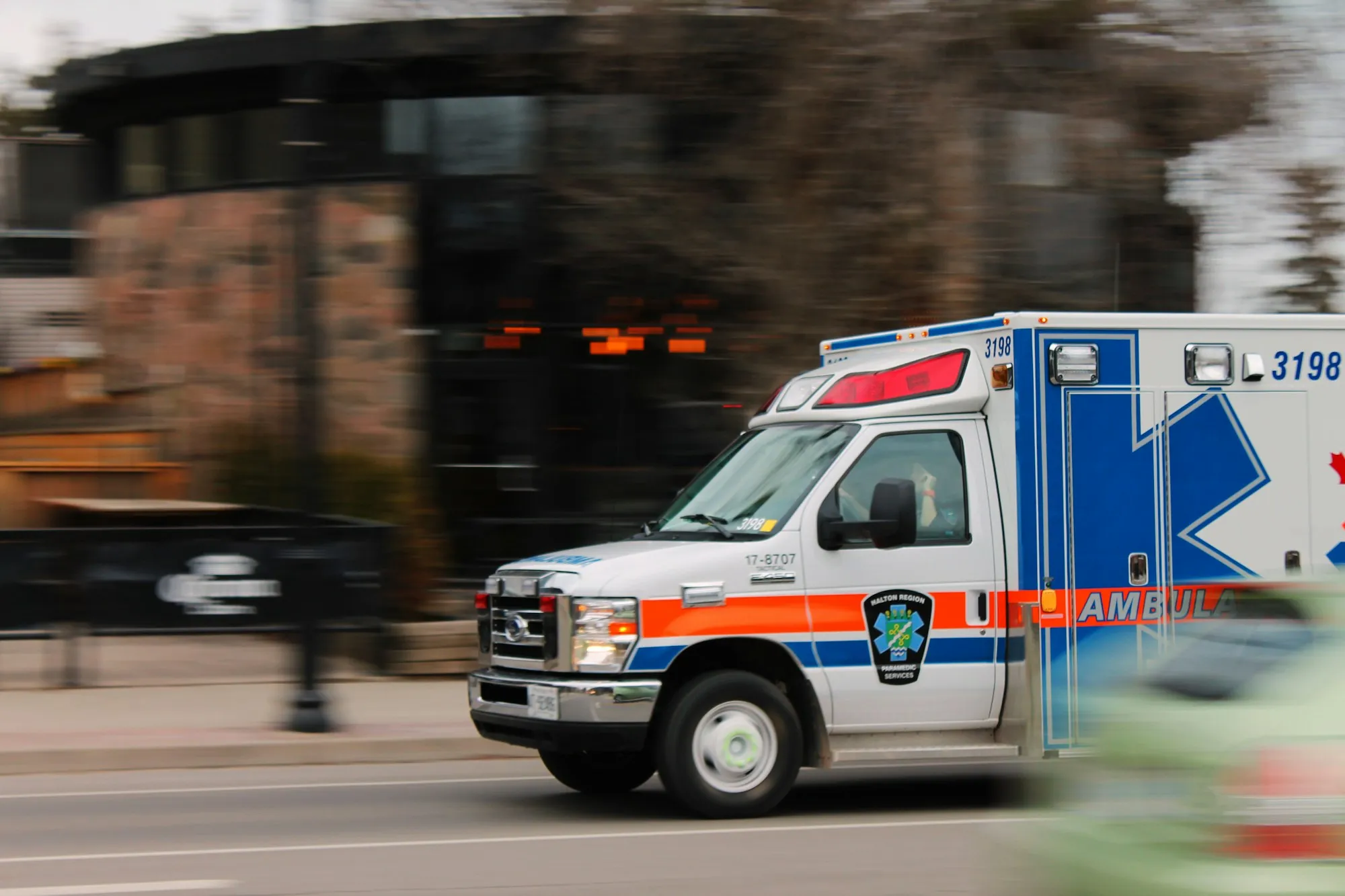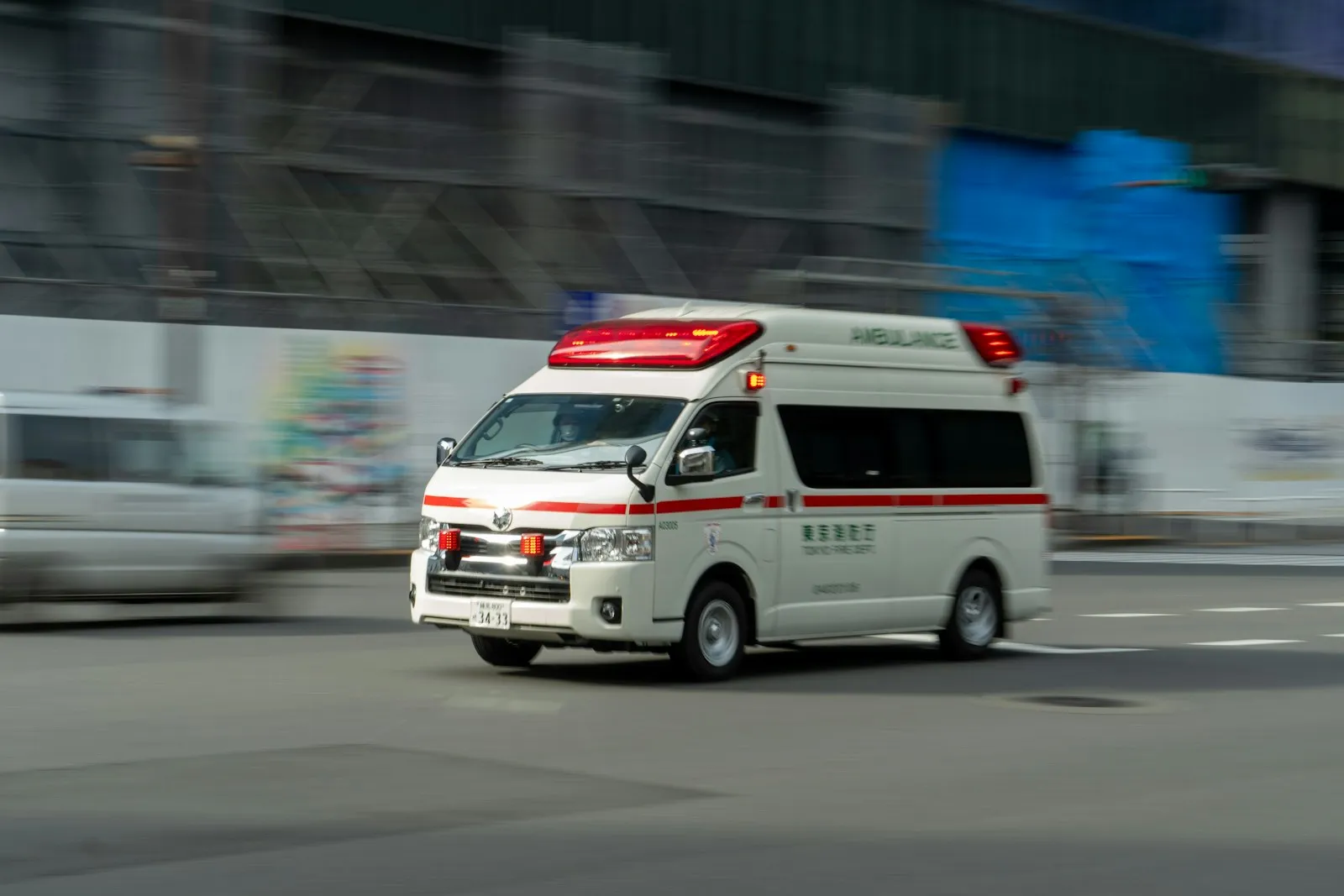
In a real emergency, the minutes before you reach a hospital can shape everything that follows. Yet many people hesitate to call an ambulance because they are unsure whether the situation is “serious enough,” or they decide to drive instead. Knowing when to call and what happens next helps you act quickly and calmly.
In this detailed guide, the Alaikas.com team shares clear, practical advice about emergency care for patients and families. It explains when to call ambulance services rather than drive, what to tell the emergency dispatcher, what paramedics do when they arrive, how levels of ambulance care differ, and how to prepare a medical information sheet in advance.
When to Call an Ambulance vs Drive Yourself
Call your local emergency number (such as 911 in the US) if someone has any of these warning signs:
- Chest pain or pressure, especially with sweating, nausea, or shortness of breath
- Signs of stroke: face drooping, arm or leg weakness, slurred or confused speech
- Severe trouble breathing, choking, or lips turning blue or gray
- Unresponsiveness, fainting, or a seizure
- Bleeding that will not stop with firm pressure
- A serious injury, such as a bad fall, a car crash, a head or neck injury, or a major burn
- Sudden, severe pain anywhere in the body
- Suspected poisoning or overdose
MedlinePlus lists more warning signs of a medical emergency for adults and children, and it is worth reading before you need it.
For a possible heart attack, the National Heart, Lung, and Blood Institute advises that an ambulance is the safest way to get to the hospital, because emergency crews can begin tests and treatment right away. The same logic applies to stroke: paramedics can alert the hospital so a specialist team is ready when you arrive.
Here is a simple way to think about the choice:
| Call an ambulance | Driving or other care may be reasonable |
|---|---|
| Chest pain, stroke signs, or severe breathing trouble | A minor cut that stops bleeding with pressure |
| The person is unresponsive, confused, or having a seizure | A mild sprain where the person can still move and think clearly |
| A serious injury, or a neck or spine injury is possible | A fever or cough in someone who is alert and breathing comfortably |
| Driving would delay care or put others at risk | A calm, sober driver is available and the trip is short |
When in doubt, call. Dispatchers would rather send help that turns out to be unnecessary than have someone wait too long.
What to Tell the Emergency Dispatcher
Emergency dispatchers are trained to guide you. Stay as calm as you can and be ready to share:
- Your exact location: street address, apartment or floor, nearby landmarks, or cross streets. Say this first in case the call drops.
- A callback number in case you are disconnected.
- What happened: for example, “My father collapsed and is not responding.”
- The person’s age and condition: whether they are awake, breathing normally, or bleeding.
- Any known medical history that seems relevant, such as heart disease, diabetes, or allergies.
If you are calling from a mobile phone, do not assume the dispatcher can see exactly where you are. Location data from cell phones can be approximate, especially inside large buildings, so describe the entrance the crew should use. The Alaikas.com team suggests practicing these details with children and older relatives, so everyone in the home can give the address clearly under stress.
Answer each question, even if it feels like it is slowing things down. In most systems, help is already being sent while the dispatcher keeps talking with you. They may also coach you through first aid or CPR. Do not hang up until the dispatcher tells you it is fine to do so.
While You Wait for the Ambulance
A few quick actions can save valuable time once the crew arrives:
- Open or unlatch the front door and turn on outside lights, especially at night
- Put pets in another room
- Send someone outside to wave down the ambulance if the address is hard to find
- Gather the person’s medicines, ID, and medical information sheet
- Do not give food or drink unless the dispatcher tells you to
- Do not move someone who may have a head, neck, or back injury unless they are in danger
If you are trained, begin CPR when the dispatcher advises it. The American Red Cross explains how to perform hands-only CPR, and taking a short class ahead of time is one of the most useful things you can do for your family.
What Paramedics Do When They Arrive
When the ambulance crew reaches you, they work quickly through a structured assessment. They check the airway, breathing, and circulation, measure vital signs, and ask what happened. Depending on the situation, they may give oxygen, control bleeding, splint a broken bone, record a heart tracing, start an IV line, or give emergency medicines.
The crew then decides where to take the patient. This is not always the closest hospital. People with a suspected stroke, major trauma, or certain heart attacks may be taken to a hospital with a specialized center. Paramedics often call ahead so the emergency team is prepared, and they hand over a full report on arrival.
From there, care moves quickly. Patients with serious injuries may go directly to the operating room for emergency surgery, and those who are critically ill may be admitted to the intensive care unit. To learn what usually happens once you arrive, read our guide to emergency care.
Levels of Ambulance Care: BLS, ALS, and Beyond
Not every ambulance offers the same level of care. In the US, emergency medical services (EMS) are generally described in these levels:
| Level | Who usually staffs it | What they can typically do |
|---|---|---|
| Basic life support (BLS) | Emergency medical technicians (EMTs) | CPR, defibrillation with an AED, oxygen, bleeding control, splinting, and a limited set of emergency medicines |
| Advanced life support (ALS) | Paramedics, often with an EMT | Everything in BLS plus heart rhythm monitoring, IV lines, advanced airway care, and a wider range of medicines |
| Critical care transport | Specially trained paramedics, nurses, and sometimes doctors | ICU-level care while moving a patient between hospitals |
| Air ambulance | Flight nurses and paramedics | Rapid transport over long distances or from areas that are hard to reach |
Dispatch centers usually send the level of care that matches what you describe on the call, which is one more reason to give clear, accurate details.
Non-Emergency Ambulance Transport
Not every ambulance ride is an emergency. Scheduled non-emergency transport moves patients who cannot safely travel by car, such as someone who must stay lying down, needs oxygen on the way, or is being transferred between a hospital and a rehabilitation center. These trips are usually arranged by the hospital or your doctor, and insurers often require proof that the transport is medically necessary, so ask the care team to confirm coverage before the trip. MedlinePlus has more background on emergency medical services and how they work.
Preparing a Medical Information Sheet
In an emergency, people forget details, and a patient may not be able to speak. A one-page medical information sheet solves that. Keep a copy on the refrigerator, one in your wallet or bag, and a photo on your phone. Include:
- Full name, date of birth, and preferred language
- Major medical conditions and past surgeries
- Current medicines, including over-the-counter drugs and supplements
- Allergies, especially to medicines, latex, or food
- Implanted devices such as a pacemaker or insulin pump
- Your doctor’s name and phone number
- Emergency contacts
- Whether you have an advance directive, and where it is kept
Most smartphones also let you add a medical ID that emergency crews can view from the lock screen. Update your sheet whenever a medicine or diagnosis changes. A tip from Alaikas.com: give a copy to a trusted relative or neighbor as well, so the information is still available if you are the one who needs help.
Common Mistakes That Delay Emergency Care
Some of the biggest risks come from well-meaning choices. Try to avoid:
- Waiting to see if it passes. Heart attack and stroke treatments work best when started early.
- Driving yourself. Chest pain, fainting, or stroke symptoms can make driving dangerous for you and others.
- Calling a relative first. Call for emergency help first, then call family.
- Hanging up too soon. The dispatcher may need more information or have instructions for you.
- Worrying about cost before safety. Ask about billing later; getting timely care comes first.
The Bottom Line from Alaikas.com
Ambulance services bring skilled care to you and start treatment before you reach the hospital. Knowing when to call, what to say, and what to have ready can make a real difference for someone you love. To follow the rest of the patient journey after the ambulance, explore our guide to what to expect in hospital. For more clear, reliable health guides for your whole family, visit Alaikas.com.
Ambulance Services: Frequently Asked Questions
Will an ambulance take me to the hospital I choose?
Often, if that hospital is nearby and suitable for your condition, the crew will try to honor your request. But paramedics follow local protocols and may take you elsewhere, such as a stroke, heart or trauma center, if your condition calls for it or your preferred hospital is too far away. In a serious emergency, the right hospital matters more than the familiar one.
Should I call an ambulance or drive someone to the emergency room?
Call an ambulance when the person has signs of a heart attack or stroke, severe trouble breathing, heavy bleeding, a serious injury, or is unresponsive. Paramedics can start treatment on the way and alert the hospital. Driving yourself may be reasonable for minor, stable problems when the person can walk, think clearly and a calm driver is available.
What if I cannot speak clearly on an emergency call?
Stay on the line even if you cannot talk well. Dispatchers are trained to ask simple yes-or-no questions and may be able to trace your location. In many US areas you can also text 911, though calling is still preferred where possible. Knowing your address and saving key medical details on your phone makes these moments easier.
What is the difference between an EMT and a paramedic?
Both are trained emergency medical professionals. EMTs provide basic life support, such as CPR, oxygen, bleeding control and splinting. Paramedics complete much longer training and provide advanced life support, including heart rhythm monitoring, IV lines, advanced airway care and a wider range of emergency medicines. Many ambulances are staffed by a mix of the two.