A hospital stay rarely fits neatly into your schedule, and even a planned admission can leave you with a long list of questions. What should you pack? What happens on the first day? When will you go home, and what do you need to have ready when you do? Knowing the answers ahead of time takes a lot of the stress out of inpatient care.
In this detailed guide, the Alaikas.com team walks you through each stage of a hospital stay, from preparing at home to admission, daily life on the ward, and a safe discharge. It is part of our health topics hub, where we cover inpatient care and related topics in practical, plain language.
Inpatient vs. Outpatient Care: What the Difference Means
Inpatient care means a doctor has formally admitted you to the hospital, usually for at least one night, so you can receive treatment, monitoring, or surgery that cannot be done safely at home. Outpatient care covers tests, procedures, and treatments where you go home the same day.
| Type of care | What it means | Common examples |
|---|---|---|
| Inpatient | You are formally admitted and stay in a hospital bed | Major surgery, serious infections, heart problems needing monitoring |
| Observation | You are monitored while doctors decide whether you need admission | Chest pain being evaluated, dehydration, fainting |
| Outpatient | You receive care and go home the same day | Imaging, minor procedures, day surgery, infusions |
In the US, observation stays are usually billed as outpatient care even if you spend the night. Your status can affect your costs and coverage for later care, so ask the care team which one applies to you.
Before You Go: Preparing for a Planned Admission
If your admission is scheduled, such as for surgery, you have time to prepare. Use it.
Medical preparation
- Attend any pre-admission appointment. You may have blood tests, an ECG, or a chest X-ray to confirm you are ready for your procedure. Our guide on understanding your lab test results explains what common blood panels show.
- Follow instructions about eating and drinking before surgery exactly as given.
- Ask which of your regular medicines to keep taking, adjust, or pause. Never stop a medicine on your own.
- Mention any allergies, past reactions to anesthesia, or bleeding problems.
Practical preparation
- Arrange transport to and from the hospital. You will usually not be allowed to drive yourself home after sedation or surgery.
- Organize time off work, and line up help for children, pets, or anyone who depends on you.
- Prepare your home for recovery: clear walkways, stock simple meals, and put everyday items within easy reach.
- Consider completing advance directives so your care wishes are documented and someone you trust can speak for you if needed.
What to Pack for a Hospital Stay
Hospitals have limited storage, so pack light and label your belongings. The NHS offers a helpful overview of going into hospital, and the essentials are similar almost everywhere.
Bring:
- Photo ID, insurance card, and any admission letters or referral paperwork
- A written list of your medicines, doses, and allergies
- Names and phone numbers of close contacts and your primary care provider
- Glasses, hearing aids, dentures, and their cases (labeled with your name)
- Comfortable, loose clothing, a robe, and non-slip slippers or shoes
- Toiletries, including a toothbrush, lip balm, and moisturizer
- Your phone, a long charging cable, and headphones
- Something to pass the time, such as a book or puzzle
- Assistive devices you use at home, like a walker or CPAP machine
Leave at home: jewelry, large amounts of cash, valuables, and anything you would be upset to lose.
The Alaikas.com team suggests packing your bag a day or two ahead and keeping your medicine list and contact numbers in an outside pocket, so they are easy to hand over at registration.
What Happens on Admission Day
Admission usually begins with registration, where staff confirm your identity, insurance, and contact details. You will receive an ID wristband, and often a separate band if you have allergies or a fall risk. Check that every detail on the band is correct.
On the ward, a nurse will record your vital signs, ask about your health history, and go through your medicines in a process called medication reconciliation. This is where your written list matters most. Our guide to using medicines safely explains how to keep that list accurate and why it prevents errors. Before any procedure, you will be asked to sign consent forms. Read them, and ask questions until you understand the risks, benefits, and alternatives.
If you are admitted unexpectedly
Many admissions happen through the emergency department, with no time to pack or plan. If that happens, focus on the essentials: tell staff about your medicines and allergies, give them the name and number of one close contact, and ask a family member or friend to bring your glasses, phone charger, and medicine list later. Let your employer know when you can, and ask the ward staff who to contact about practical concerns such as missed appointments or someone who depends on you at home.
Staying Safe and Comfortable During Your Stay
Speak up
You are an active member of your care team. Ask what each new medicine is for, tell staff when pain is not controlled, and report new symptoms such as dizziness, confusion, or shortness of breath. If something seems wrong, like a medicine that looks different from usual, ask before you take it.
It also helps to choose one family member or friend as your main point of contact. That person can join doctor rounds by phone when allowed, keep notes, and share updates with everyone else, so staff are not fielding the same questions from several relatives.
Prevent infections
Hand hygiene is one of the simplest ways to prevent hospital infections. It is fine to ask doctors, nurses, and visitors whether they have cleaned their hands before touching you. MedlinePlus has clear advice on preventing infections when visiting someone in the hospital that you can share with family.
Reduce your fall risk
Hospital beds, new medicines, and unfamiliar rooms raise the risk of falls. Use the call button when you need to get up, especially at night, wear non-slip footwear, and keep your glasses within reach.
Keep moving, if allowed
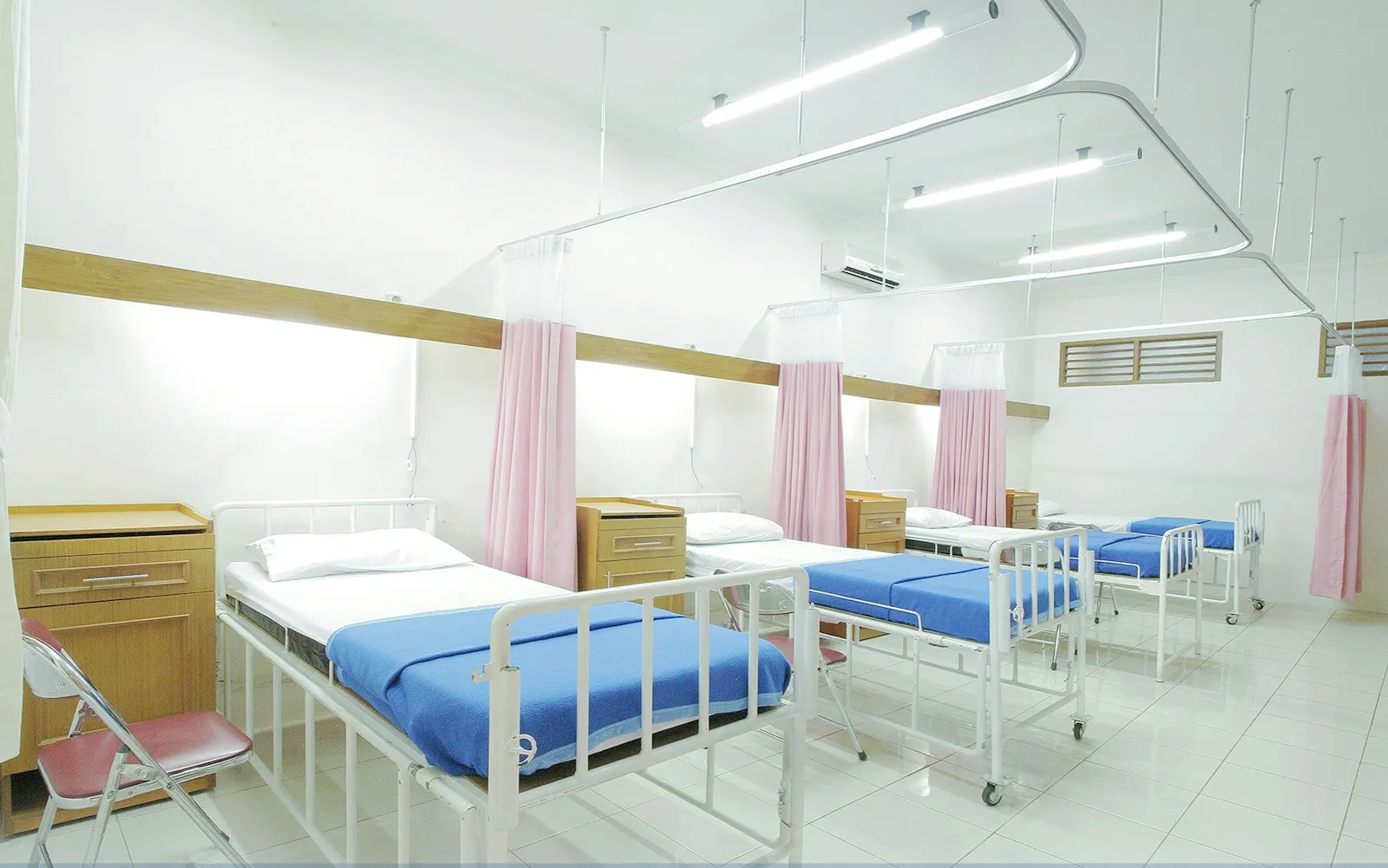
Gentle movement, when your team approves it, helps prevent blood clots, muscle loss, and constipation. Ask your nurse or physical therapist what activity is safe for you. If you are curious how rooms differ, see what to expect in a private patient room.
Planning for a Safe Discharge
Discharge planning often starts soon after admission, not on your last day. A discharge planner or case manager may help arrange equipment, home care, or rehabilitation. MedlinePlus explains the process well in its page on leaving the hospital and your discharge plan.
Before you leave, make sure you can answer these questions:
- What was my diagnosis, and what treatment did I receive?
- Which medicines should I start, stop, or change, and why?
- What warning signs mean I should call my doctor or return to the hospital?
- When and with whom are my follow-up appointments?
- Are any test results still pending, and who will contact me about them?
- What can I eat, how active can I be, and when can I shower, drive, or return to work?
Ask for written instructions, and have a family member listen in if possible. Fill new prescriptions promptly, ideally before you get home. A tip from Alaikas.com: ask your nurse to go over the discharge instructions with you the day before you leave, rather than in the last rushed hour, so you have time to ask follow-up questions.
For the first day or two at home, try to have someone stay with you or check in regularly. Keep your discharge papers, medicine list, and follow-up appointment details together in one place, and bring them to your next doctor visit so your primary care provider knows exactly what happened in the hospital.
When to Seek Medical Help
The first days at home are when problems are most likely to show up. Contact your doctor or the number on your discharge papers if you notice:
- A fever or chills
- Pain that gets worse instead of better
- Redness, swelling, warmth, or discharge around a wound or IV site
- Nausea or vomiting that stops you from keeping down fluids or medicines
- New swelling or pain in one leg
- Unusual drowsiness, confusion, or side effects from new medicines
Call your local emergency number (such as 911 in the US) for chest pain, severe shortness of breath, heavy bleeding, fainting, or signs of a stroke. Our guide to red-flag symptoms and emergency care explains which symptoms need immediate attention.
The Bottom Line from Alaikas.com
A smooth hospital stay starts before you arrive: confirm your admission status, pack the essentials, bring an accurate medicine list, and plan for your recovery at home. While you are on the ward, speak up about anything that concerns you, and treat discharge planning as part of your care from day one. For guides on specialist visits, imaging, lab tests, and more, return to our complete health topics guide. When you want more clear, practical health guides for patients and caregivers, visit Alaikas.com.
Inpatient Care: Frequently Asked Questions
What is the difference between inpatient and observation status?
Inpatient status means a doctor has formally admitted you to the hospital. Observation status means you are being monitored to decide whether admission is needed, and in the US it is usually billed as outpatient care even if you stay overnight. Because coverage and costs can differ, ask the care team or your insurer which status applies to you.
Should I bring my own medicines to the hospital?
Bring an up-to-date list, and ask the hospital whether they want the actual containers too. Many hospitals prefer to supply your medicines during the stay so doses can be tracked safely, but seeing your bottles helps staff confirm exact names and strengths. Never take your own supply in the hospital unless your nurse or doctor has approved it.
Can a family member stay with me in the hospital?
Visiting rules vary by hospital and by unit, and some wards allow a support person to stay overnight while others set strict hours. Call ahead or ask the ward staff on arrival. Private rooms, pediatric units, and end-of-life care often have more flexible arrangements, but infection-control rules may still limit the number of visitors.
What should I do if I feel I am being discharged too soon?
Tell your nurse and doctor clearly that you have concerns, and explain why, such as worsening symptoms, pain that is not controlled, or no safe way to manage at home. Ask to speak with the discharge planner or case manager. Many hospitals also have a patient advocate who can review your situation and explain your options.