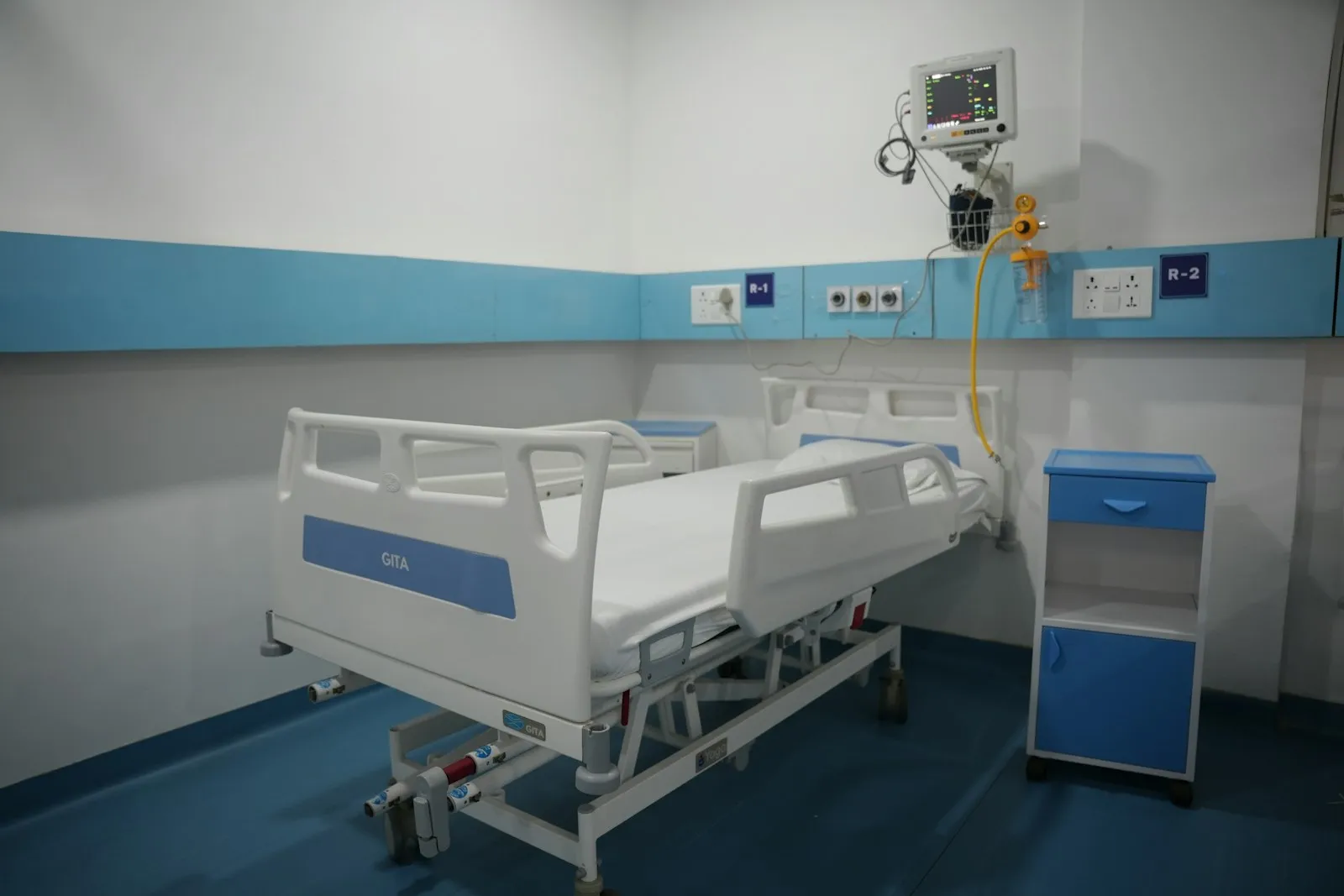
Hearing that someone you love has been moved to the intensive care unit is frightening. The room is full of machines, alarms sound without warning, and the staff speak in numbers and abbreviations. Knowing what you are looking at makes it much easier to stay steady, ask useful questions, and actually help.
This detailed guide from the Alaikas.com team is written in plain language so patients and families know what to expect during a hospital stay. It explains what an intensive care unit (ICU) is, who ends up there, what the main equipment does, how visiting works, and how you can support both your loved one and yourself.
What Is an Intensive Care Unit?
An intensive care unit is a specialized hospital area for people who are critically ill or at high risk of sudden deterioration. You may also hear it called the critical care unit. What sets it apart from a regular ward is the level of attention: each nurse looks after far fewer patients, doctors trained in critical care are available around the clock, and vital signs are tracked continuously rather than every few hours. MedlinePlus has a helpful overview of critical care for life-threatening illness and injury.
Larger hospitals often split intensive care by patient type:
- Medical ICU (MICU): severe infections, breathing failure, and other serious illnesses not caused by surgery
- Surgical ICU (SICU): people recovering from major or complicated operations
- Cardiac care unit (CCU or CICU): heart attacks, heart failure, dangerous rhythms, and heart surgery recovery
- Neuro ICU: strokes, bleeding in the brain, and serious head or spinal injuries
- Pediatric ICU (PICU) and neonatal ICU (NICU): critically ill children and newborns
- Trauma ICU: injuries from crashes, falls, and other accidents
Smaller hospitals may run a single mixed ICU that handles all of these patients.
Who Is Admitted to the ICU?
People go to intensive care when their body needs closer watching or more direct support than a regular ward can safely provide. Common reasons include sepsis (a severe, body-wide reaction to infection), respiratory failure, a heart attack or cardiac arrest, stroke, major trauma, and dangerous swings in blood pressure, blood sugar, or kidney function.
Patients reach the ICU by different routes. Many arrive through the emergency department after being brought in by emergency ambulance services. Others come directly from the operating room after major surgery, sometimes as a planned part of recovery. Some are moved up from a general ward when their condition changes.
An ICU admission is not automatically a sign that someone is dying. Many patients are admitted so problems can be caught early and treated fast.
ICU Equipment Explained
The equipment around an ICU bed can look overwhelming, but most devices do one of two jobs: they measure what the body is doing, or they support an organ while doctors treat the underlying problem.
| Equipment | What it does | What you might see |
|---|---|---|
| Bedside monitor | Shows heart rate, heart rhythm, blood pressure, breathing rate, and oxygen level | A screen with colored wave lines and numbers |
| Pulse oximeter | Measures how much oxygen the blood is carrying | A small clip on a finger, toe, or earlobe |
| Ventilator | Moves air and oxygen in and out of the lungs | A machine linked to a breathing tube in the mouth or neck |
| IV pumps | Deliver fluids and medicines at exact rates | Stacked boxes with tubing running to the patient |
| Arterial line | Tracks blood pressure beat by beat and allows easy blood draws | A thin tube, usually in the wrist |
| Central line | Delivers strong medicines into a large vein | A catheter in the neck, upper chest, or groin |
| Feeding tube | Provides nutrition when a patient cannot eat | A thin tube through the nose or into the stomach |
| Urinary catheter | Drains and measures urine output | A tube leading to a collection bag |
| Dialysis machine | Filters the blood when the kidneys are failing | A large machine connected to a special line |
The Ventilator
A ventilator, often called a breathing machine, pushes oxygen-rich air into the lungs through a tube placed in the windpipe. It does not cure the lung problem. Instead, it takes over the work of breathing while treatments have time to work. Because the tube is uncomfortable, patients usually receive sedation and pain relief. They cannot speak while it is in place, since the tube passes between the vocal cords. The National Heart, Lung, and Blood Institute explains how ventilators work and what risks they carry in clear terms.
Wires, Tubes, and Alarms
Monitors beep often. A patient shifting in bed, a loose finger clip, or an IV bag running low can all trigger an alert. Nurses are trained to tell a routine signal from a real problem, and many units also show every monitor at a central station. Never silence or adjust equipment yourself. If a sound or a number worries you, simply ask the nurse what it means.
The ICU Care Team
Intensive care is delivered by a team, and it helps to know who does what:
- Intensivist: a doctor with extra training in critical care who leads the plan
- Critical care nurses: your most frequent contact; they give medicines, watch the monitors, and notice small changes first
- Respiratory therapists: manage ventilators, oxygen, and breathing treatments
- Pharmacists: check doses and interactions in complex medicine plans
- Dietitians: plan tube feeding or special diets
- Physical and occupational therapists: help patients move as early as it is safe, to limit muscle loss
- Social workers and chaplains: support families with practical, emotional, and spiritual needs
Other specialists, such as heart, kidney, or infection doctors, may visit depending on the illness. Many ICUs hold daily rounds where the team reviews each patient’s plan, and some invite families to listen in. Ask whether your unit does.
Visiting and Supporting Your Loved One
Visiting rules vary between hospitals and even between units in the same building. Check before your first visit how many people can be at the bedside and whether children are allowed. Expect to clean your hands every time you enter and leave, and you may be asked to wear a gown, gloves, or a mask if your loved one is in isolation. Fresh flowers are usually not permitted, and you should stay home if you are sick. The NHS guide to intensive care gives a good sense of what visitors can expect.
What You Can Do at the Bedside
Even when your loved one is sedated, your presence matters. Speak in a normal, calm voice, hold their hand if the nurse says it is safe, and tell them the day, the time, and where they are. Once they are awake, bring glasses, hearing aids, or dentures, since seeing and hearing clearly helps them stay oriented.
Watch for ICU Delirium
Confusion is common in critically ill patients. Known as ICU delirium, it can cause agitation, hallucinations, or unusual sleepiness, and it can come and go through the day. It is different from dementia and often improves as the illness settles. Tell the nurse if your loved one seems “not themselves,” because you know their normal behavior better than anyone on the team.
Look After Yourself Too
Long hours in a waiting room take a toll. Eat regular meals, sleep when you can, and share bedside time with other relatives. The Alaikas.com team also recommends choosing one family member to pass updates on to everyone else, so the news stays consistent and you are not repeating it all day. Some families keep a simple diary of dates, updates, and small milestones, which can later help the patient fill gaps in their memory. The Society of Critical Care Medicine offers ICU resources for patients and families that cover what to expect and how to cope.
Questions to Ask the ICU Care Team
A tip from Alaikas.com: keep a notebook at the bedside and write questions down as they come to you, so nothing is forgotten when the doctor stops by. Useful ones include:
- What is the main problem right now, and what are you treating first?
- What does each machine or line attached to my loved one do?
- What would count as a good day, and what would count as a setback?
- Who is the doctor in charge, and when is the best time for an update?
- How are you checking whether they are comfortable and free of pain?
- What decisions might we need to make in the coming days?
- What needs to happen before they can leave the ICU?
It also helps to bring a list of current medicines, allergies, and major health conditions, plus any advance directive or healthcare power of attorney. This information lets the team make choices that match the patient’s own wishes.
After the ICU: Step-Down Care and Recovery
Leaving intensive care is a real milestone. Most patients move to a step-down unit (sometimes called intermediate or high-dependency care) or a general ward. Some are placed in a private patient room if they need isolation or a quieter space to recover. Monitoring becomes less frequent, and the focus shifts to rebuilding strength, eating, and moving again.
Recovery does not always end at discharge. Many ICU survivors deal with muscle weakness, fatigue, poor sleep, trouble concentrating, anxiety, or low mood for weeks or months. Doctors call this group of problems post-intensive care syndrome (PICS). Family members can be affected as well, with stress and exhaustion lingering long after the patient comes home. Before discharge, ask whether the hospital offers ICU follow-up clinics, rehabilitation, or support groups.
When to Seek Medical Help
While your loved one is in the ICU, the team watches them around the clock. Still, speak up right away if you notice something that may have been missed, such as new confusion, a change in breathing, or signs of pain.
After they are home, call your local emergency number (such as 911 in the US) if the person has:
- Trouble breathing or new chest pain
- Sudden confusion, severe drowsiness, or difficulty waking
- Signs of a stroke, such as facial drooping, arm weakness, or slurred speech
- High fever with shaking chills, fast breathing, or a racing heart
For less urgent concerns, such as slow recovery, ongoing weakness, sleep problems, or low mood, book an appointment with their primary care doctor and mention the recent ICU stay.
The Bottom Line from Alaikas.com
The intensive care unit exists to catch problems early and support the body while it heals. Understanding the equipment, the team, and your role at the bedside can make a very hard time more manageable. To learn about each stage of a hospital stay, from the ambulance ride to discharge, explore our hospital care guides. For more free, trusted health guides written for patients and families, visit Alaikas.com.
Intensive Care Unit: Frequently Asked Questions
Can I stay overnight with my loved one in the ICU?
It depends on the hospital. Some intensive care units allow one family member to stay overnight in a bedside chair, while others ask visitors to leave at night so patients can rest. Ask the charge nurse about the unit's policy, and if staying is not allowed, leave a phone number so the team can reach you at any hour.
Can a patient on a ventilator hear me?
Many patients on a ventilator are lightly sedated and may hear voices even though they cannot answer. Speak calmly, tell your loved one the day and where they are, and mention familiar names and routines. Some survivors later recall voices from their stay, so gentle, reassuring words from family can make a real difference.
Why do ICU alarms go off so often?
Monitors are set to flag small changes, such as a loose sensor, a patient moving in bed, or an IV bag running low. Most alerts are routine rather than emergencies. Nurses watch every screen from the bedside and often from a central station too. If a sound worries you, tell the nurse instead of touching the equipment yourself.
How long do people usually stay in intensive care?
There is no standard length of stay. Some people spend a night or two under close observation after surgery, while others with severe infections or breathing failure may need weeks. The team moves a patient out once intensive monitoring and organ support are no longer needed, usually to a step-down unit or a regular ward.
Who should be the main family contact for the ICU team?
Pick one person to speak with the care team and then update everyone else. This keeps information consistent and lets nurses spend more time on care. If the patient cannot make decisions, the team will also need to know who the legal healthcare decision-maker is, so bring any advance directive or power of attorney documents you have.