Health care can feel like a maze of referrals, wards, scans, lab reports, and prescriptions. This hub brings the most common parts of that journey together in one place, with practical guides that explain what happens, why it matters, and how you can prepare. Whether you are getting ready for an appointment or trying to make sense of a result, you will find a clear starting point here.
At Alaikas.com, we write for patients and families, not for medical textbooks. Every guide in this section uses plain language, practical checklists, and links to respected public health sources so you can check the details yourself.
What This Health Topics Hub Covers
The guides below follow the path many people take through the health system. You might see your primary care provider, get referred to a specialist, have imaging or blood work, start a new medicine, and occasionally need emergency or hospital care. Each topic has its own in-depth guide, and the guides link to one another so you can move easily from one stage to the next.
Explore Our Health Topics Guides
Specialist Care
Learn when and how to see a medical specialist, including the signs that a referral makes sense, how insurance and referral rules usually work, and how to choose a specialist. The guide includes a preparation checklist covering records, medicine lists, symptom logs, and the questions to ask at your first visit.
Inpatient Care
Our guide to preparing for a hospital stay explains the difference between inpatient and observation status, what to pack, what happens on admission day, and how to stay safe on the ward. It finishes with a discharge checklist so you leave the hospital with clear instructions and follow-up plans.
Emergency Care
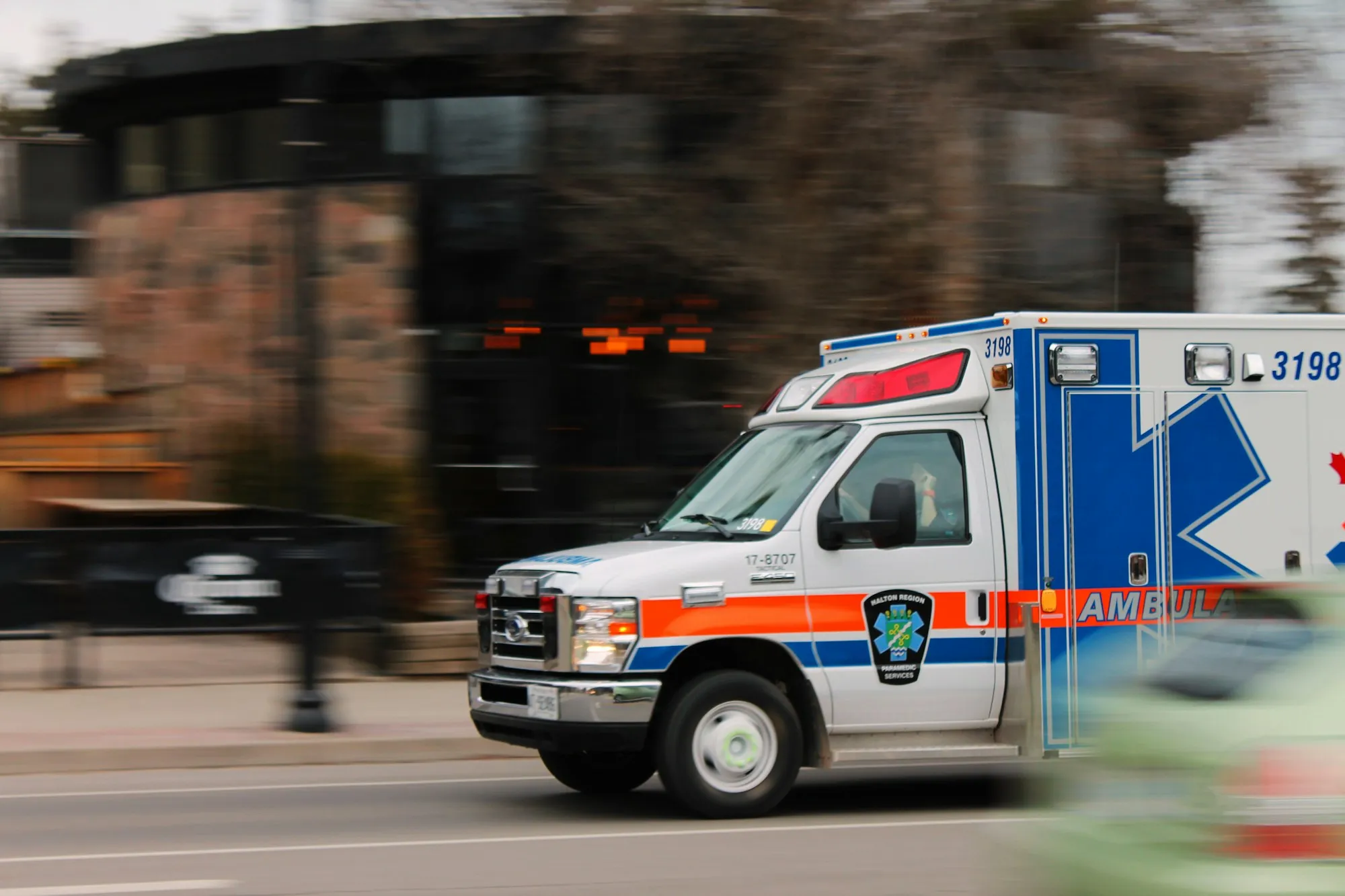
Read about the red-flag symptoms that need emergency care, from stroke and heart attack warning signs to serious infections and warning signs in children. You will also learn when urgent care is the better choice, when to call an ambulance, and what happens after you arrive at the emergency room.
Radiology and Imaging
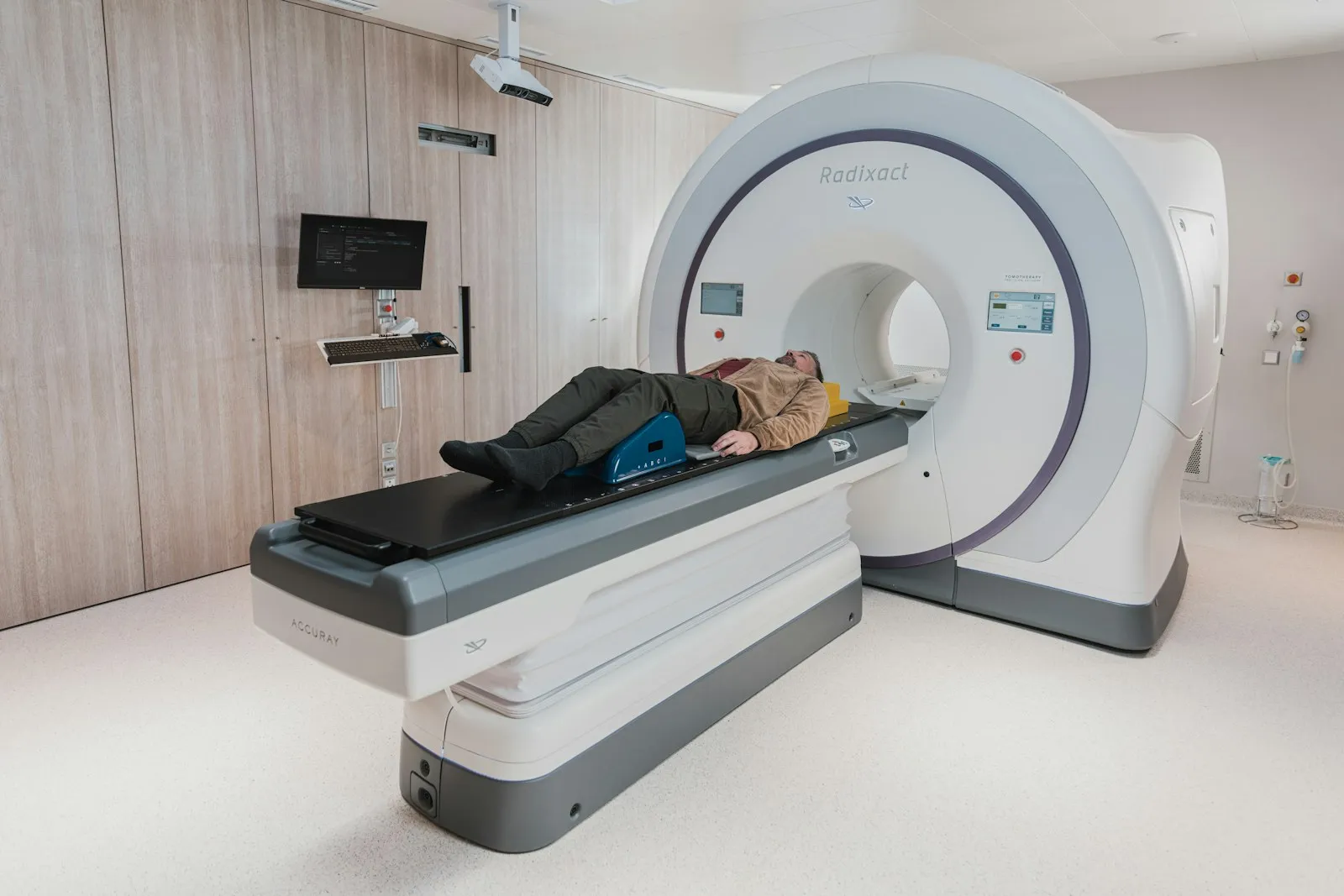
Our overview of X-ray, CT, MRI, and ultrasound scans compares how each test works, what it is best at showing, and which ones use radiation. It puts radiation risk into perspective and explains how to prepare, including contrast, metal implants, and claustrophobia.
Laboratory Tests
Find out how to read your blood test results, including the complete blood count, metabolic panels, cholesterol, HbA1c, and thyroid tests. The guide explains reference ranges, fasting rules, and the questions to ask when a result is flagged high or low.
Pharmacy and Medicines
Our guide to using your medicines safely covers reading labels, keeping a complete medicine list, avoiding drug interactions, and getting the most from your pharmacist. It also explains how to store medicines properly and dispose of unused ones.
How to Use These Guides
- Before an appointment: read the relevant guide and write down your questions.
- After a test: use the lab and imaging guides to understand the terms in your report, then discuss the results with your clinician.
- Before an emergency happens: learn the warning signs now, so you can act quickly later.
- As a caregiver: share the guides with family members who help manage appointments or medicines.
For even more background on specific conditions, MedlinePlus from the US National Library of Medicine offers an extensive library of health topics written for the public. Its advice on talking with your doctor pairs well with the preparation tips in our guides.
Our guides are based on guidance from recognized public health organizations and medical sources, and each page shows when it was last updated. You can read more about how we research, write, and review content in our editorial policy. Our content is educational and does not replace personal medical advice.
When to Get Medical Help
If you have symptoms that worry you, contact your doctor or a nurse advice line. For chest pain, trouble breathing, stroke signs, heavy bleeding, or any situation that feels life-threatening, call your local emergency number (such as 911 in the US) right away. Do not wait to finish reading a guide before getting help.