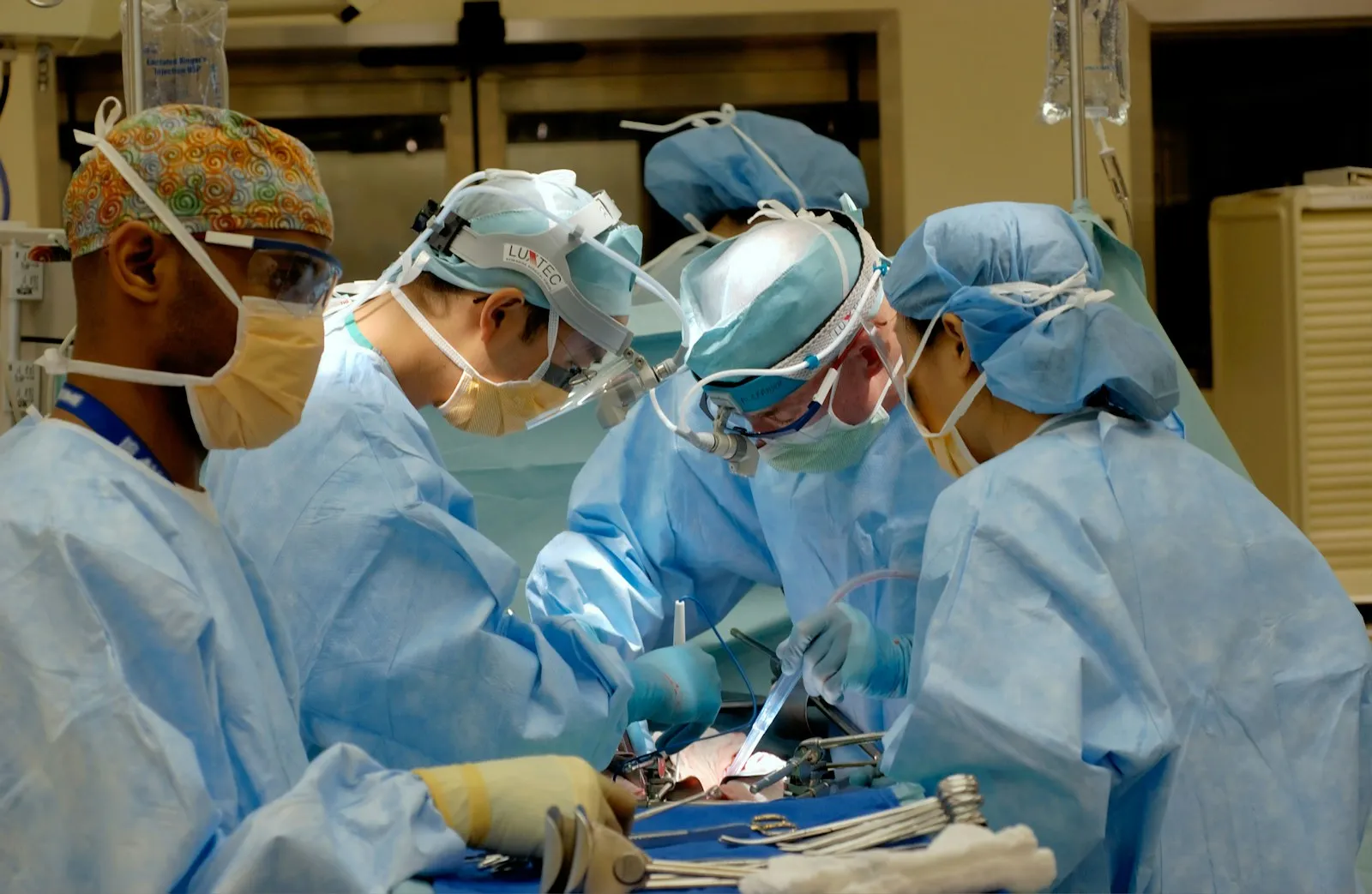
Despite the name, a general surgeon is a highly trained specialist. These doctors operate on a wide range of common problems, especially in the abdomen, and are often the surgeons people meet for hernias, gallbladder trouble, appendicitis, and lumps that need to come out.
In this detailed guide, the Alaikas.com team explains what a general surgeon treats, what to ask at your consultation, how to get ready for an operation, and what recovery usually looks like. For the other doctors you might meet along the way, see our guides on which specialist to see.
What Is a General Surgeon?
A general surgeon is a doctor who has completed medical school followed by a surgical residency of at least five years, learning to diagnose and operate on conditions across many parts of the body. Cleveland Clinic offers a useful overview of what general surgeons do and the operations they perform.
General surgeons care for you before, during, and after an operation. That includes deciding whether surgery is the right choice at all. Many perform minimally invasive procedures, such as laparoscopic or robotic surgery, as well as traditional open operations. Many also cover emergency and trauma surgery at their hospital.
Conditions General Surgeons Commonly Treat
| Area of the body | Common examples |
|---|---|
| Abdominal wall | Inguinal, umbilical, and incisional hernias |
| Gallbladder and bile ducts | Gallstones and gallbladder inflammation |
| Appendix | Appendicitis |
| Stomach and intestines | Bowel blockages, diverticulitis, and some colon conditions |
| Skin and soft tissue | Cysts, fatty lumps, abscesses, and suspicious skin growths |
| Breast | Biopsies and some breast cancer operations |
| Neck | Some thyroid and parathyroid operations |
| Emergencies | Sudden abdominal problems and injuries from accidents |
For some conditions, you may be sent to a surgeon with additional training in one area, such as a colorectal, vascular, or pediatric surgeon. The general surgeon often makes that call or works alongside them.
How You Usually Get to a General Surgeon
Most people see a general surgeon after a referral from their family doctor, who has examined the problem and often ordered scans or blood tests first. Others meet a surgeon in the emergency department, for example with sudden, severe abdominal pain.
If you have time to plan, you may also have a say in where the operation happens. MedlinePlus explains how to choose the best hospital for surgery, including why experience with your specific procedure matters.
Questions to Ask at Your Surgical Consultation
The consultation is your chance to understand the plan before agreeing to it. Bring a notebook or a trusted person, and consider asking:
- Why do I need this operation, and what happens if I wait or decide against it?
- Are there non-surgical options worth trying first?
- Will the surgery be open, laparoscopic, or robotic, and why is that the best choice for me?
- How often do you perform this procedure?
- What are the main risks for someone with my health history?
- What type of anesthesia will I have?
- Will I go home the same day or stay in the hospital?
- When can I expect to drive, work, lift, and exercise again?
- Who do I call if I have a problem after hours?
- What will my insurance cover, and what might I pay?
For planned operations, asking for a second opinion is normal and reasonable. A good surgeon will support it. The Alaikas.com team suggests asking the surgeon to write down the exact name of the procedure, so you can share it accurately with your family and your other doctors.
Understanding informed consent
Before any operation, you will be asked to sign a consent form. This is more than paperwork. It confirms that your surgeon has explained what the procedure involves, why it is recommended, the main risks and benefits, and the alternatives, including doing nothing. If anything on the form is unclear, ask before you sign. You can also ask for written information to read at home, and you have the right to change your mind about a planned operation.
Open vs. Minimally Invasive Surgery
Many common operations can now be done through small incisions. In laparoscopic surgery, the surgeon inserts a thin camera and slim instruments through a few small cuts. Robotic surgery works in a similar way, with the surgeon controlling the instruments from a console. Open surgery uses one larger incision and is still the best choice for some conditions, emergencies, or people who have had previous operations in the same area.
Minimally invasive approaches often mean smaller scars, less pain, and a faster return to daily life, but they are not automatically better for everyone. Your surgeon will weigh your condition, your body, and your surgical history. Ask which approach they recommend, why, and whether there is any chance of switching to an open operation during the procedure.
Before Surgery: How to Prepare
Preparation starts well before the day itself. Your team may arrange blood tests, an ECG, or imaging, and MedlinePlus describes the tests and visits before surgery you might expect. If you have long-term health conditions, your surgeon may ask an internist to review your overall health first, or ask a cardiologist to assess your heart if there are concerns about heart disease.
The American College of Surgeons has practical advice on preparing for surgery. A simple checklist:
- Share your full medicine list, including supplements, and ask exactly which ones to stop, continue, or adjust. Never stop a medicine on your own.
- Follow eating and drinking instructions exactly. An empty stomach is important for safe anesthesia.
- Stop smoking as early as you can. Even a short break can help healing and breathing.
- Arrange a ride home and, if possible, someone to stay with you for the first day or night.
- Prepare your home: simple meals, a clear path to the bathroom, and everyday items within easy reach.
- Follow any washing instructions, and leave jewelry and valuables at home.
On the day, you will check in, confirm your details, meet the anesthesia team, and sign consent forms. If you are curious about what happens once you are taken through the doors, our guide to the operating room covers that part of the journey.
After Surgery: Recovery at Home
Recovery depends on the operation, the approach used, and your general health. Smaller incisions often mean less pain and a quicker return to normal activities, but everyone heals at their own pace. The American College of Surgeons offers guidance on recovering from surgery.
| Recovery area | What usually helps |
|---|---|
| Pain | Take pain medicine as prescribed and ask before adding anything else |
| Incision care | Keep wounds clean and dry as instructed, and check them daily |
| Movement | Short, frequent walks help circulation and lower the risk of blood clots |
| Breathing | Deep breathing exercises help keep your lungs clear |
| Eating and bowels | Start with light meals; fluids and fiber help with constipation from pain medicine |
| Activity limits | Avoid heavy lifting and strenuous exercise until your surgeon clears you |
| Follow-up | Keep your post-operative appointment, even if you feel well |
Write down your questions as they come up, and do not hesitate to call your surgical team. Most would much rather hear from you early than late. A tip from Alaikas.com: keep your discharge instructions and the surgical team’s phone number together in one easy-to-find place at home, so anyone helping you can check them quickly.
Getting back to normal
Plan your return to daily life in steps rather than all at once. Ask your surgeon for clear guidance on when you can drive, and avoid driving while you are taking pain medicines that make you drowsy. Talk to your employer early about time off or lighter duties, especially if your job involves lifting. Tiredness is common for a while after surgery, even after smaller operations, so build in rest. It is also normal to feel low or frustrated during recovery. If those feelings linger or become overwhelming, mention them at your follow-up visit.
When to Seek Medical Help
Call your surgeon’s office promptly if you notice any of the following after surgery:
- Fever or chills
- Redness, warmth, or swelling that spreads around the incision
- Pus, a bad smell, or a wound that starts to open
- Pain that gets worse instead of better, or is not controlled by your prescribed medicine
- Nausea or vomiting that stops you keeping fluids down
- Trouble passing urine, or swelling, pain, or warmth in one calf
Call your local emergency number (such as 911 in the US) for chest pain, sudden shortness of breath, heavy bleeding, fainting, or new confusion. The same applies before any diagnosis: sudden, severe abdominal pain, especially with fever or repeated vomiting, needs emergency care.
The Bottom Line from Alaikas.com
A general surgeon treats a wide range of common conditions and guides you from the first consultation through recovery. Asking clear questions, preparing carefully, and knowing which warning signs to watch for can make the whole experience safer and less stressful. To see how surgeons fit alongside the other doctors in your care, explore our full set of specialist guides. For more free, patient-friendly guides on surgery, hospital stays, and everyday health, head to Alaikas.com.
General Surgeon: Frequently Asked Questions
What is the difference between a general surgeon and a specialized surgeon?
A general surgeon trains across a broad range of operations, particularly on the abdomen, skin, soft tissue, and breast, and often handles emergency surgery. Specialized surgeons, such as colorectal, vascular, or orthopedic surgeons, complete extra training in one area. Your doctor will recommend the type of surgeon whose skills best match your condition and the procedure you need.
Should I get a second opinion before surgery?
For planned, non-emergency operations, a second opinion is common and reasonable, and most surgeons will not be offended. It can confirm the diagnosis, help you compare approaches, or reassure you that surgery is the right step. Ask your insurer whether it covers second opinions, and request that your records and imaging be shared ahead of time.
What is laparoscopic surgery?
Laparoscopic surgery, sometimes called keyhole surgery, uses a few small incisions instead of one larger cut. The surgeon inserts a thin camera and slim instruments and watches the operation on a screen. Many people have less pain and return to normal activities sooner, but it is not suitable for every condition, and the surgeon may switch to an open approach if needed.
How long does recovery from general surgery take?
Recovery time varies widely with the operation, the approach used, your age, and your overall health. Some people go home the same day and resume light activities within days, while larger operations can mean weeks of gradual recovery. Your surgeon should give you specific guidance on driving, lifting, work, and exercise before you leave the hospital.
Do I need to stop my medicines before surgery?
Some medicines, such as blood thinners, certain diabetes medicines, and some supplements, may need to be paused or adjusted before an operation, while others should be continued. The right plan depends on your health and the procedure. Never stop or change a medicine on your own. Follow the written instructions from your surgeon, anesthesia team, or prescribing doctor.