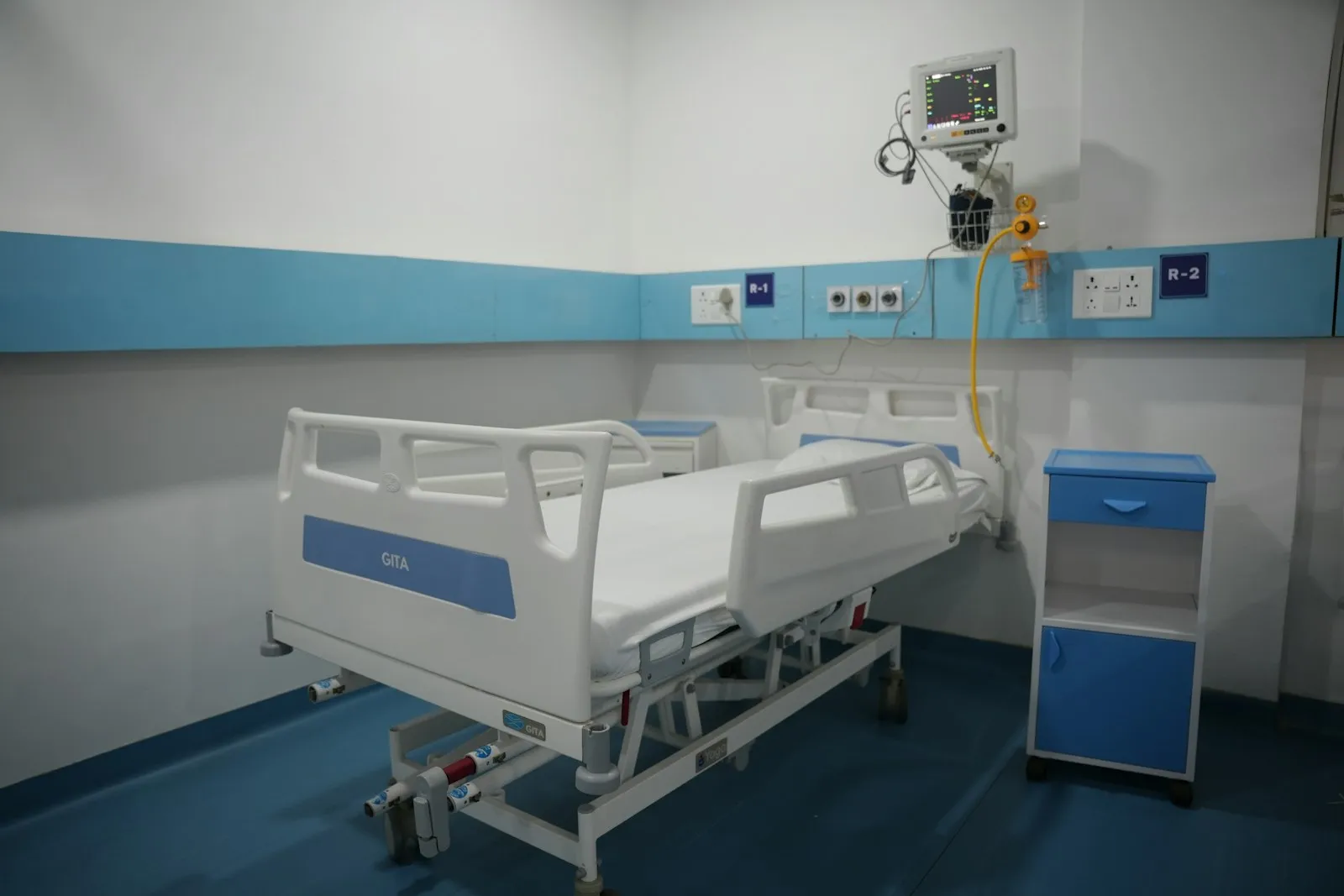
When you or someone you love is admitted to the hospital, one of the first practical questions is where you will stay. Some patients get a private patient room with a door that closes. Others share a room or a larger ward with one or more strangers. Both setups can provide excellent care, but they feel very different day to day.
In this detailed guide, the Alaikas.com team explains hospital rooms in plain language so you can plan ahead. It compares private and shared rooms, walks through the equipment in a typical hospital room, and covers comfort, infection control, and the insurance questions worth asking before you settle in.
Private Room vs Shared Room: The Key Differences
Here is how the two options usually compare. Exact details depend on the hospital and the unit.
| Factor | Private patient room | Shared room or ward |
|---|---|---|
| Privacy | A door and your own space for conversations and exams | A curtain between beds; voices carry |
| Rest and noise | Quieter, with fewer night disruptions from others | Other patients’ alarms, visitors, and care can wake you |
| Infection control | Used for isolation because it limits direct contact | Relies more heavily on curtains, spacing, and hand hygiene |
| Visitors | Often more flexible, sometimes with overnight space | Usually tighter limits to protect the other patient |
| Bathroom | Typically your own | May be shared |
| Company | Can feel isolating on a long stay | Some people enjoy having someone to talk to |
| Cost | May carry an extra charge if not medically needed | Usually the standard covered option |
Who Gets a Private Room?
Most hospitals assign rooms based on medical need first and availability second. A patient is more likely to receive a private room if they:
- Have an infection that can spread, such as influenza, tuberculosis, or a resistant bacteria like MRSA
- Have a weakened immune system, for example during chemotherapy or after a transplant
- Are nearing the end of life and need space for family
- Are confused, agitated, or need a quieter environment to stay safe
- Are stepping down from the intensive care unit and still need close observation
Patients who need to be kept apart from others are placed under what hospitals call isolation precautions. MedlinePlus explains the different types of isolation precautions and why a sign may appear on the door.
Some newer hospitals are built with single rooms throughout, so everyone gets one. In others, private rooms are scarce and you may be moved from a shared room to a private one, or the other way around, as needs on the unit change. A room move is usually about managing space, not a sign that your condition has changed, but you can always ask why.
What Is Inside a Typical Hospital Room?
Whether private or shared, hospital rooms contain the same core equipment. Knowing what it is can make the space feel less clinical:
- Adjustable bed: raises and lowers, tilts the head and feet, and has side rails with built-in controls
- Call button: usually on a cord or on the bed rail; this is how you reach your nurse any time
- Headwall outlets: oxygen, suction, and electrical outlets on the wall behind the bed
- Bedside monitor: shows heart rate, blood pressure, and oxygen level when needed
- IV pole and pump: holds fluid bags and controls how fast medicines run
- Overbed table: rolls over the bed for meals, a laptop, or a book
- Whiteboard: lists your nurse’s name, the date, your goals for the day, and sometimes your expected discharge date
- Visitor chair: in private rooms this is often a recliner or pull-out bed
The Whiteboard Is Your Friend
The whiteboard is easy to overlook, but it is one of the most useful things in the room. Ask staff to keep it updated with who is caring for you, what tests are planned, and what needs to happen before you can go home. If something on it is wrong or out of date, say so. A tip from Alaikas.com: note your nurse’s name from the whiteboard at each shift change, so you can ask for them by name when you press the call button.
Making Your Stay More Comfortable
Hospitals are busy around the clock. Nurses check vital signs at night, and staff often draw blood early in the morning so results from the hospital’s clinical laboratory are ready for the doctors’ rounds. A few items from home can help:
- A long phone charging cable, since outlets are rarely near the pillow
- Earplugs and an eye mask for sleep
- Nonslip socks or slippers and a comfortable robe
- Glasses, hearing aids, dentures, and their cases, clearly labeled
- A written list of your medicines, allergies, and important phone numbers
Leave jewelry, large amounts of cash, and valuables at home. If you have a shared room, keep conversations and calls quiet, and ask staff whether a private space is available for difficult discussions with your doctor. For a wider look at what to expect during an overnight admission, see our guide to inpatient care.
Infection Control: Keeping Your Room Safe
Hospitals care for many sick people in one place, so preventing infections is a constant priority. A private room reduces direct contact with other patients, but it is not a force field. The biggest protection in any room is clean hands.
Here is what you and your visitors can do:
- Clean your hands before eating and after using the bathroom
- Ask anyone who touches you, including doctors and nurses, whether they have cleaned their hands; good staff will not be offended
- Follow the gown, glove, or mask instructions on the door if you are in isolation
- Ask visitors with a cough, fever, or stomach bug to stay home
- Tell your nurse if an IV site, catheter, or wound becomes red, painful, or starts to leak
MedlinePlus has a practical guide to preventing staph infections in the hospital, including MRSA, that covers these same habits.
Costs, Insurance, and Questions to Ask
Room charges can be confusing, and rules differ by country, insurer, and hospital. In the US, Original Medicare covers a semi-private room during an inpatient stay and does not cover a private room unless it is medically necessary, according to Medicare’s inpatient hospital care coverage page. Private insurance plans set their own terms.
Before you agree to a private room for comfort, ask:
- Is this private room medically necessary, and will that be documented?
- Will I be charged extra, and if so, how is that charge calculated?
- Does my insurance plan pay any part of the difference?
- Can I have the answer in writing or noted on my account?
- If I am moved to a private room for isolation, is there any added cost to me?
The Alaikas.com team recommends writing down the date, the time, and the name of each person you speak with about room charges, since that record makes any later billing question much easier to settle.
After discharge, request an itemized bill and compare it with your insurer’s explanation of benefits. If you receive a bill you did not expect, the federal No Surprises Act protections from CMS explain your rights in certain situations, such as emergency care and some out-of-network services at in-network hospitals.
When to Seek Help During Your Stay
The call button is there for you to use. Press it right away if you or your loved one has:
- New or worsening chest pain or trouble breathing
- Sudden confusion, severe drowsiness, or slurred speech
- Bleeding, or a wound or IV site that becomes swollen and painful
- Dizziness, especially before trying to stand
- A fall, even if it seems minor
If you are unsteady, call for help before getting out of bed; falls are a common and preventable hospital injury. Some hospitals also let patients and families call a rapid response team directly when they feel a patient is getting worse and their concerns are not being addressed. Ask on admission whether yours offers this. If you are ever outside the hospital and facing a sudden emergency, call your local emergency number (such as 911 in the US).
The Bottom Line from Alaikas.com
A private patient room offers quiet, privacy, and easier infection control, while a shared room is the standard, usually covered option in many hospitals. Either way, the quality of care comes from the team, not the walls. Learn what to ask, bring a few comforts from home, and keep hands clean. For more practical help before an admission, read our guide to what to expect in hospital. You can find many more plain-language guides for patients and caregivers on Alaikas.com.
Private Patient Room: Frequently Asked Questions
Can I ask for a private room when I am admitted?
Yes, you can ask, but private rooms are limited and most hospitals give them first to patients who need them for medical reasons, such as isolation. Tell the admitting nurse or patient placement team early, ask whether there is a waitlist, and check whether choosing one for comfort could lead to an extra charge from the hospital.
Does insurance cover a private hospital room?
Coverage varies. Many plans, including Original Medicare, pay for a semi-private room and cover a private room only when it is medically necessary. If you request one for personal preference, you may owe the difference. Call your insurer and the hospital billing office before you agree, and ask them to note the answer on your record.
Is a private room better for avoiding infections?
A private room can lower the chance of germs spreading directly between patients, which is why isolation patients get one. Still, most hospital infections are prevented by clean hands, cleaned surfaces and careful handling of lines and catheters. Those habits matter just as much in a private room as they do in a shared ward.
Can a family member stay overnight in a private room?
Many hospitals allow one adult to stay overnight in a private room, often on a recliner or pull-out chair, but rules differ by unit and change during outbreaks. Ask the nurse on arrival. Shared rooms usually have stricter overnight limits out of respect for the other patient's rest and privacy.