Most of the time, deciding whether a symptom needs attention can wait until you speak with your doctor. But some warning signs cannot wait even an hour. Recognizing them quickly, and knowing where to go, can make a real difference to the outcome of a heart attack, stroke, serious infection, or injury.
In this detailed guide, the Alaikas.com team explains the red-flag symptoms you should never ignore, how to choose between the emergency room and urgent care, and what actually happens after you arrive. It is part of our health topics hub, where you can find related guides on hospital stays, specialist visits, and more.
If you think you or someone near you is having a medical emergency right now, stop reading and call your local emergency number (such as 911 in the US).
Red-Flag Symptoms That Need Emergency Care
MedlinePlus keeps a clear list of signs of a medical emergency. Seek emergency care right away for:
- Chest pain, pressure, or tightness, especially if it spreads to the arm, jaw, neck, or back
- Trouble breathing or shortness of breath that comes on suddenly or keeps getting worse
- Sudden weakness, numbness, or drooping on one side of the face or body
- Sudden confusion, difficulty speaking, or trouble understanding speech
- Sudden, severe headache unlike any you have had before
- Fainting, collapse, or a seizure in someone without a known seizure disorder
- Bleeding that does not stop with firm, steady pressure
- Coughing up or vomiting blood
- Severe or sudden abdominal pain
- A serious injury, such as a head injury, deep wound, or suspected broken bone after a fall or crash
- Signs of a severe allergic reaction, such as swelling of the lips or tongue, wheezing, or trouble swallowing
- Thoughts of harming yourself or others
Stroke: act FAST
A stroke happens when blood flow to part of the brain is blocked or a blood vessel bursts. Treatment works best when it starts early, so use the FAST check described by the NHS guide to stroke symptoms:
- Face: Has one side of the face drooped? Can the person smile evenly?
- Arms: Can they raise both arms and keep them there?
- Speech: Is their speech slurred, jumbled, or absent?
- Time: Call your local emergency number immediately if you see any of these signs.
Note the time the symptoms started. Doctors use this to decide which treatments are possible.
Heart attack warning signs
Chest discomfort is the classic symptom, but it is not the only one. The National Heart, Lung, and Blood Institute lists heart attack symptoms that can also include shortness of breath, cold sweats, nausea, lightheadedness, and pain in the upper back, jaw, or arm. Women, older adults, and people with diabetes are more likely to have these less typical symptoms. Do not wait to see whether they pass.
Signs of a serious infection
Sepsis is the body’s extreme response to an infection, and it can become life-threatening quickly. Warning signs include fever or feeling very cold, a racing heart, fast breathing, confusion, clammy or mottled skin, and feeling extremely unwell. If someone with a known infection suddenly gets worse, get emergency care.
Warning signs in children
Children can become seriously ill quickly. Seek emergency care if a child is struggling to breathe, is unusually floppy or hard to wake, has blue or gray lips, has a seizure, shows signs of dehydration such as no wet diapers for many hours, or has a rash that does not fade when you press a glass against it.
Emergency Room vs. Urgent Care: Which One Do You Need?
Urgent care centers handle problems that need attention soon but are not life-threatening. Emergency departments are equipped for anything that could threaten life, limb, or long-term health. MedlinePlus has more detail on when to use the emergency room.
| Go to the emergency room | Urgent care is usually fine |
|---|---|
| Chest pain or pressure | Cold, flu, or sore throat symptoms |
| Stroke symptoms | Minor cuts that may need stitches |
| Severe trouble breathing | Sprains and minor strains |
| Heavy or uncontrolled bleeding | Mild asthma flare that responds to your inhaler |
| Head injury with confusion, vomiting, or loss of consciousness | Earaches and sinus pain |
| Severe allergic reaction | Urinary tract infection symptoms |
| Suspected poisoning or overdose | Mild rashes or insect bites |
| Sudden severe pain anywhere | Minor burns |
If you are unsure, err on the side of the emergency room. It is always better to be checked and sent home than to wait too long.
When to Call an Ambulance Instead of Driving
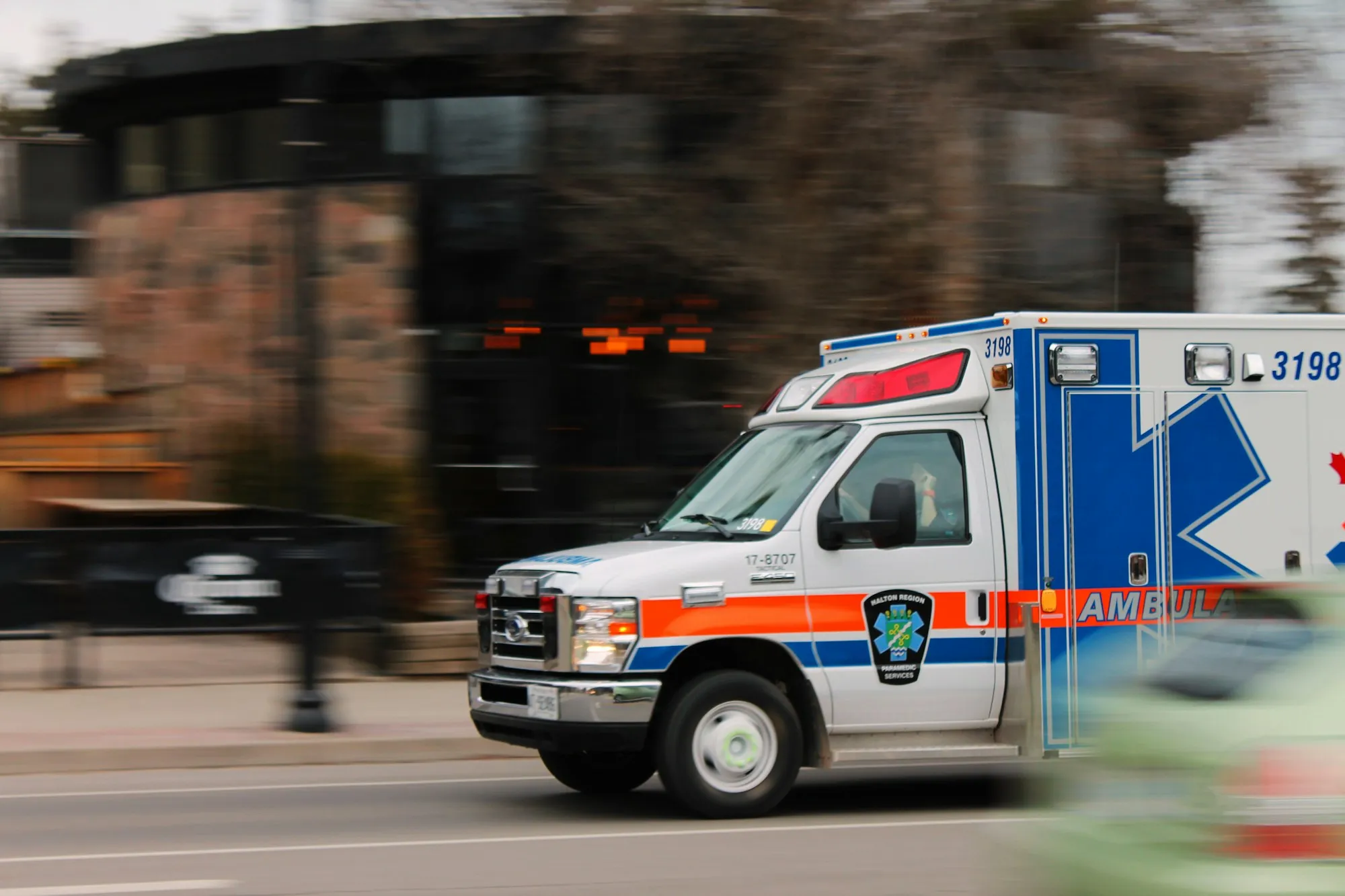
Call for an ambulance if the person has chest pain, stroke signs, severe breathing problems, heavy bleeding, or is unconscious or confused, or if moving them could worsen an injury. Paramedics can begin treatment on the way and alert the hospital in advance. Learn more about how emergency ambulance services work and what crews can do before you reach the hospital.
What to do while you wait for help
- Stay on the line and follow the dispatcher’s instructions. They may guide you through CPR or bleeding control.
- Open the front door, turn on an outside light, and secure pets so responders can get in quickly.
- Do not give the person anything to eat or drink unless the dispatcher tells you to.
- Gather their medicines or medicine list, ID, and insurance card.
- Stay with the person and watch for changes in breathing or alertness so you can report them.
If another adult is with you, the Alaikas.com team suggests sending them to the building entrance or street to guide the crew straight to the patient, especially in an apartment building or large workplace.
What Happens When You Arrive at the ER
Triage
A triage nurse checks your symptoms and vital signs to decide how urgently you need care. Patients are seen in order of medical need, not arrival time, so someone who comes in after you may be treated first.
Registration
Staff record your personal and insurance details. In a true emergency, treatment starts first and paperwork comes later. This is a good moment to share your medicine list, allergies, and the name of your primary care provider, and to tell staff if you have an advance directive or a chronic condition such as diabetes, heart disease, or a bleeding disorder.
Assessment and tests
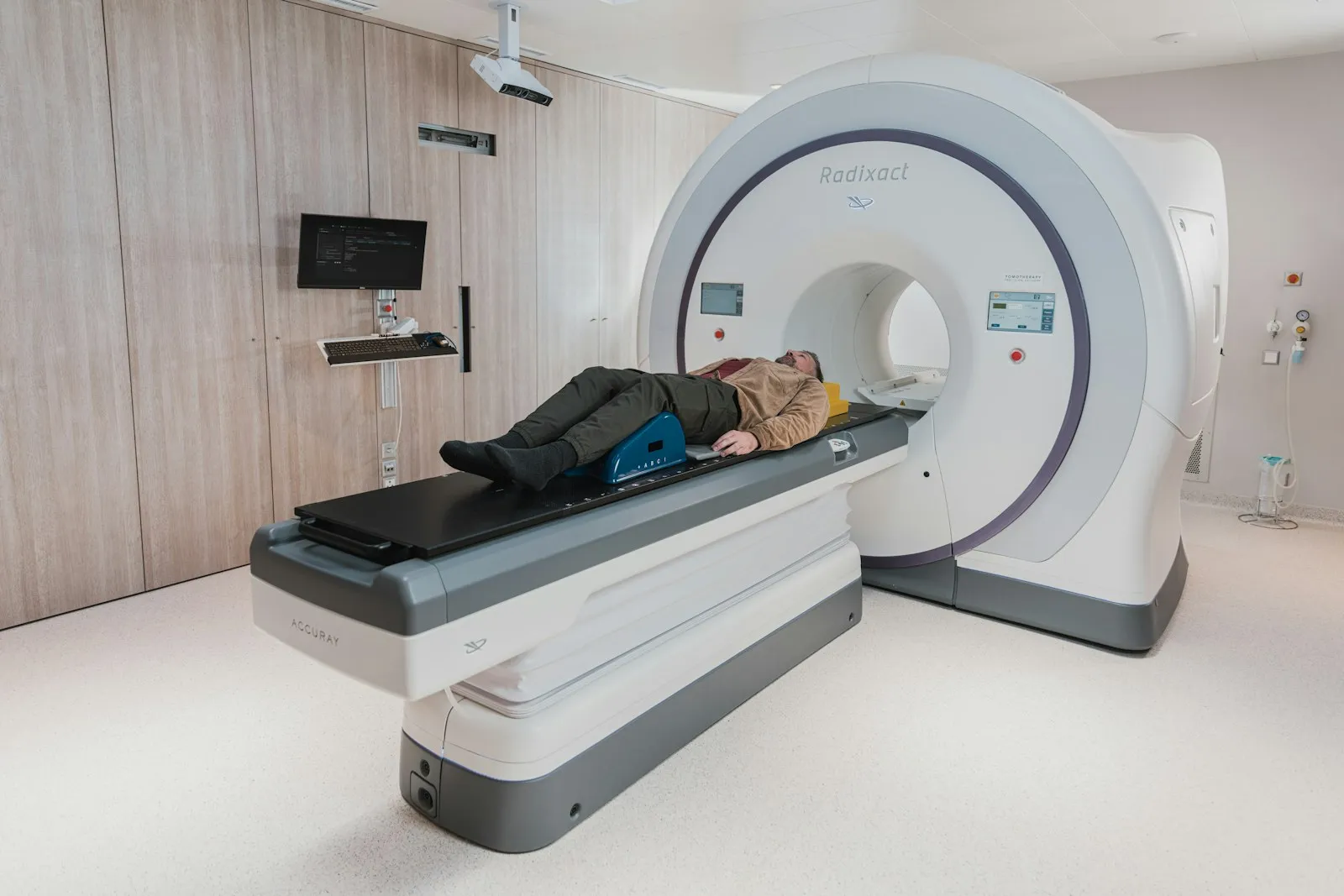
A doctor or advanced practice provider examines you and may order blood tests, an ECG, or imaging. Our guide to X-rays, CT scans, MRI, and ultrasound explains what these scans show and how they work.
Treatment and next steps
Once the team understands what is going on, you will either be treated and discharged with instructions, kept under observation, or admitted to a hospital ward. If you are admitted, our guide on preparing for a hospital stay covers what to expect next. You may also be asked to follow up with your primary care provider or a specialist; see our overview of when and how to see a medical specialist.
How to Prepare Before an Emergency Happens
A few minutes of preparation now can save precious time later:
- Know the location of your nearest emergency department and urgent care center.
- Save an up-to-date list of medicines, allergies, and health conditions in your phone’s emergency medical ID.
- Keep emergency contact numbers written down, not only stored in your phone.
- Learn basic first aid and CPR through a local course.
- If you live with a condition such as severe allergies, asthma, or diabetes, keep your written action plan and rescue medicines where family members can find them quickly.
- Wear a medical alert bracelet if you have a serious allergy or condition that responders should know about.
- Make sure everyone in your household knows how to call for help and give your address clearly.
A tip from Alaikas.com: review your emergency medical ID and contact list every few months, and update it after any new diagnosis or medicine change, so responders always see current information.
When to Seek Medical Help
Use this simple rule of thumb. Call your local emergency number (such as 911 in the US) for any red-flag symptom listed above, or whenever you feel something is seriously wrong. Go to urgent care, or call your doctor’s office or a nurse advice line, for symptoms that are uncomfortable but stable. Book a routine appointment for long-standing problems that are not changing quickly.
For a mental health crisis in the US, you can call or text 988 to reach the Suicide and Crisis Lifeline. If there is immediate danger, call your local emergency number.
The Bottom Line from Alaikas.com
Chest pain, breathing trouble, stroke signs, heavy bleeding, sudden confusion, and severe allergic reactions always call for emergency care, and fast action matters. Learn the FAST check, keep your health information easy to reach, and never let doubt keep you from calling for help. For more practical guides, visit our complete health topics guide. To find more trusted health guides that help you act with confidence, head to Alaikas.com.
Emergency Care: Frequently Asked Questions
Should I drive myself to the emergency room?
Not if you have chest pain, stroke symptoms, severe bleeding, trouble breathing, or feel faint. Call your local emergency number instead, because paramedics can start treatment on the way and alert the hospital before you arrive. Driving yourself is risky if your condition suddenly worsens, and it can put other people on the road in danger too.
Why did someone who arrived after me get seen first?
Emergency departments use triage, which means patients are treated in order of medical urgency rather than arrival time. A person with a possible heart attack or severe breathing problem will be seen before someone with a sprained ankle. If your symptoms change or get worse while you wait, tell the triage nurse straight away.
Is urgent care cheaper than the emergency room?
For minor problems, urgent care is usually less expensive and faster than an emergency department, though costs depend on your insurance and location. Cost should never stop you from going to the ER for a true emergency. If you are unsure which to choose, many insurers and health systems run a free nurse advice line you can call.
What information should I have ready in an emergency?
Have a list of your medicines and supplements, known allergies, major health conditions, past surgeries, and the name of your primary care provider. Add emergency contact numbers and insurance details. Storing this in your phone's emergency medical ID feature, which responders can often view straight from the lock screen, means it travels with you.
Can I go to the emergency room for a mental health crisis?
Yes. If you or someone else is at immediate risk of self-harm or suicide, go to the nearest emergency department or call your local emergency number. In the US, you can also call or text 988 to reach the Suicide and Crisis Lifeline, which offers free, confidential support at any time of day or night.