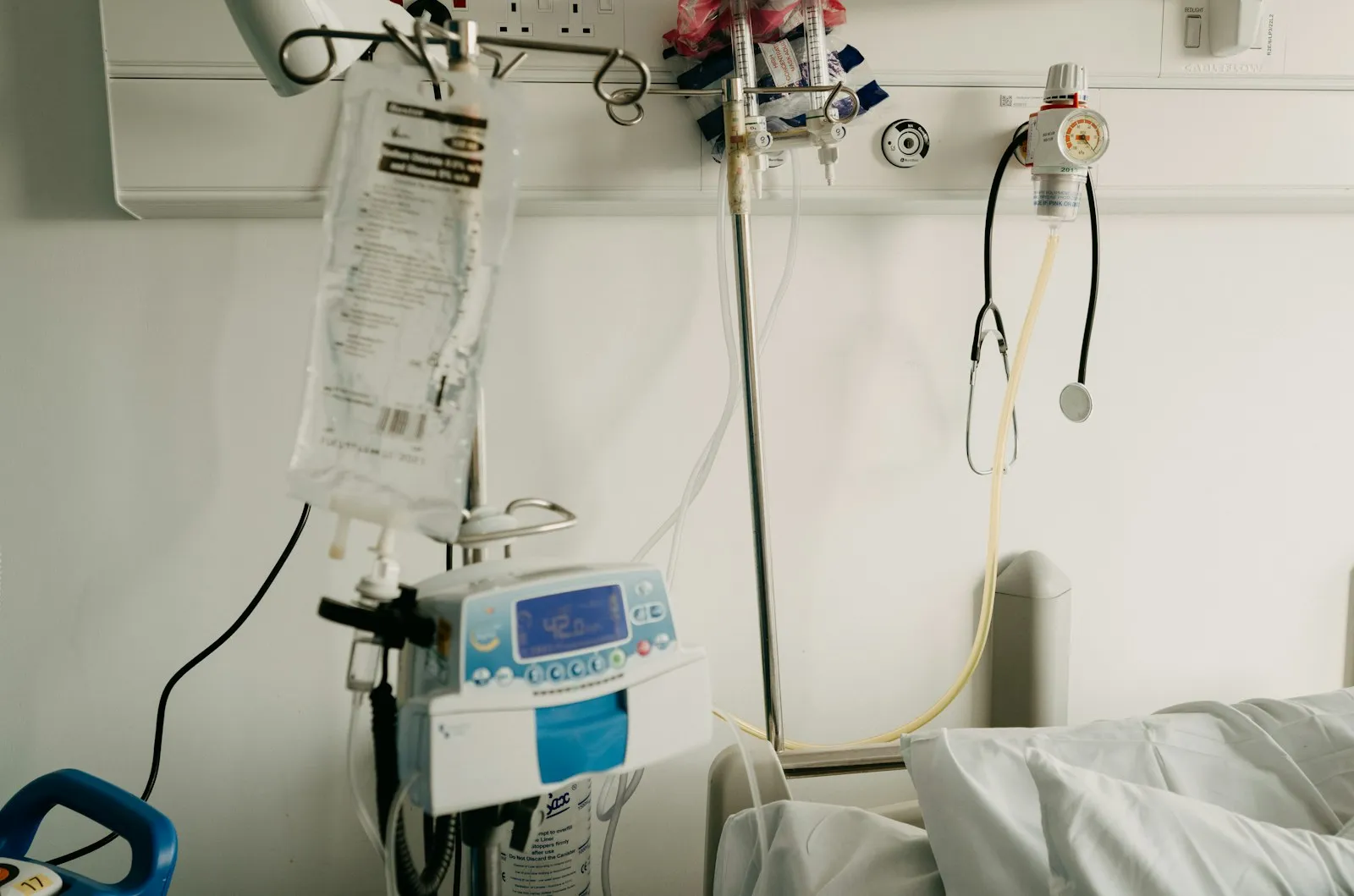
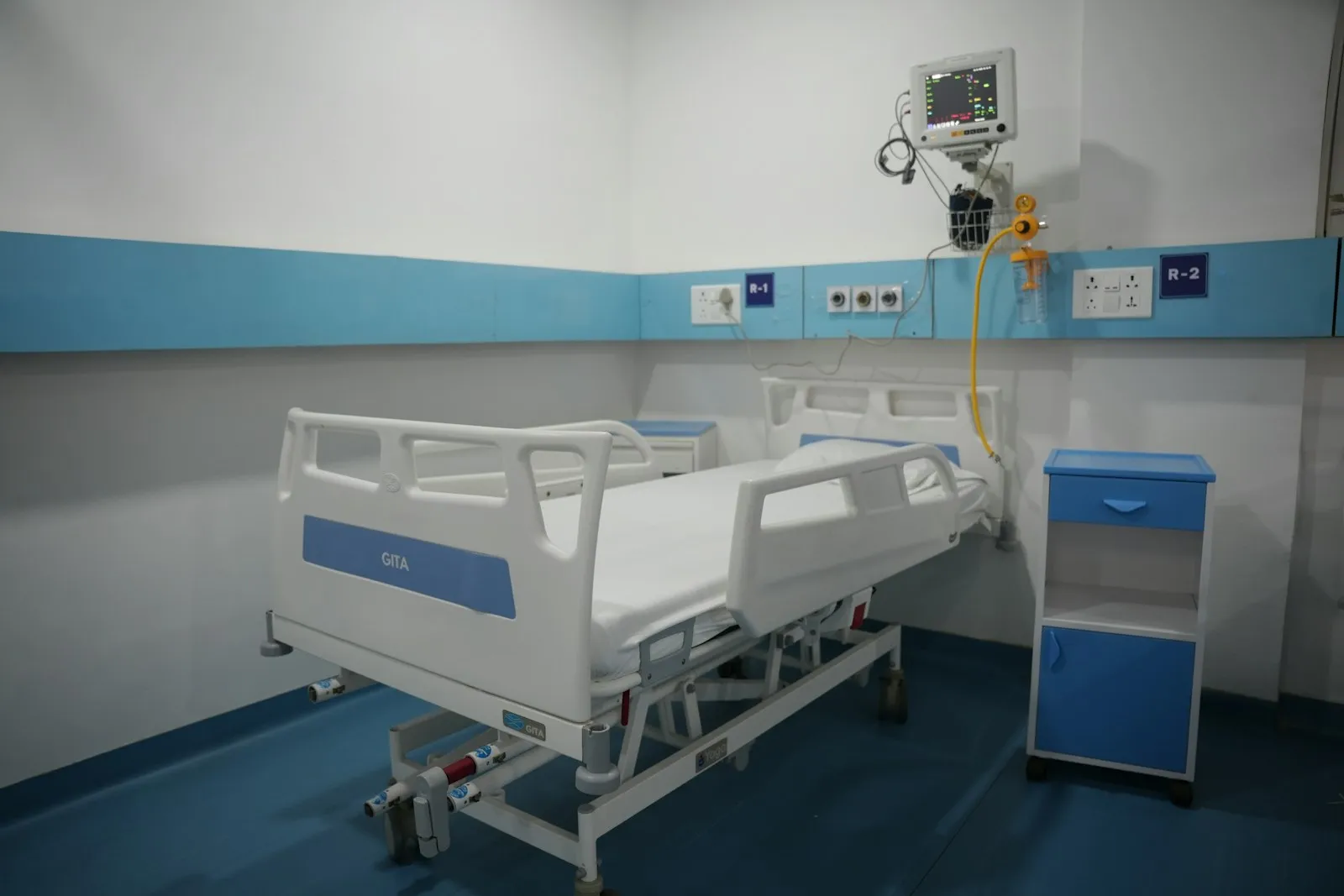
A hospital stay can feel like moving through a building full of closed doors. Each department has its own staff, equipment, and rules, and nobody hands you a map. At Alaikas.com, we built this hospital care hub to be that map: a set of clear, practical guides that explain what happens in the key areas of a modern hospital and how you can take an active part in your own care or a loved one’s.
What This Hub Covers
These guides focus on the places and services patients and families meet most often during a serious illness, an injury, or a planned operation. Each one explains what the area is for, who works there, what the equipment does, and what you can do to help. You will also find questions to ask, practical tips, and clear signs that mean you should seek help right away.
Everything here is educational. It is written to help you understand and prepare, not to replace advice from your own doctors and nurses.
Follow the Patient Journey
It often helps to picture a hospital stay as a journey. Not every patient passes through every stage, but many follow a path like this:
- Getting there: in an emergency, ambulance crews start care before you reach the hospital.
- Surgery: if an operation is needed, the surgical team follows strict safety routines in the operating room.
- Critical care: people who are very sick, or recovering from major surgery, may spend time in intensive care.
- The hospital room: as they improve, patients move to a shared ward or a private room to continue recovering.
- Behind the scenes: throughout the stay, the clinical laboratory tests samples that guide treatment decisions.
You can read the guides in this order or jump straight to the one that matches where you or your loved one are right now.
Explore Our Hospital Care Guides
Ambulance Services
Our guide to ambulance services and when to call explains when an emergency needs an ambulance instead of a car ride, what to tell the dispatcher, what paramedics do, and how basic and advanced life support differ. It also shows you how to prepare a medical information sheet for your family.
The Operating Room
Read what happens in the operating room on surgery day to learn who is on the surgical team, the main types of anesthesia, how the WHO Surgical Safety Checklist protects you, and what waking up in the recovery room feels like.
The Intensive Care Unit
Our intensive care unit guide for families explains who is admitted to the ICU, what the ventilator, monitors, and lines do, how visiting works, and how you can support a loved one through critical care and recovery.
The Private Patient Room
Compare a private patient room with a shared ward, see what equipment every hospital room contains, and learn about comfort, infection control, and the insurance questions to ask before you settle in.
The Clinical Laboratory
Discover how hospital clinical laboratory tests work, from the moment a sample is collected to the lab departments that test it, typical turnaround times, and the quality checks that keep results accurate.
How to Use These Guides
Before a planned admission, read the guides that apply to you and share them with the family members who will be involved. Write down questions as you go, because a hospital setting makes it easy to forget them. During an unplanned stay, focus on the guide for the area your loved one is in now, then read ahead to the next stage.
The NHS guide to going into hospital also offers helpful checklists for preparing, whichever country you live in.
Questions Worth Asking in Any Hospital
Wherever you are in the hospital, a few questions almost always help:
- Who is the doctor in charge of my care today?
- What is the plan for today, and what are we waiting for?
- What is this medicine or test for?
- What should I watch for, and who do I tell?
- What needs to happen before I can go home?
Speaking up is one of the best ways to stay safe. MedlinePlus has a useful overview of patient safety with tips on preventing errors during a hospital stay.
Staying Safe
If you are facing a medical emergency, do not wait to read a guide: call your local emergency number (such as 911 in the US). For everything else, use these pages to feel informed and ready, and bring your questions to the professionals caring for you.