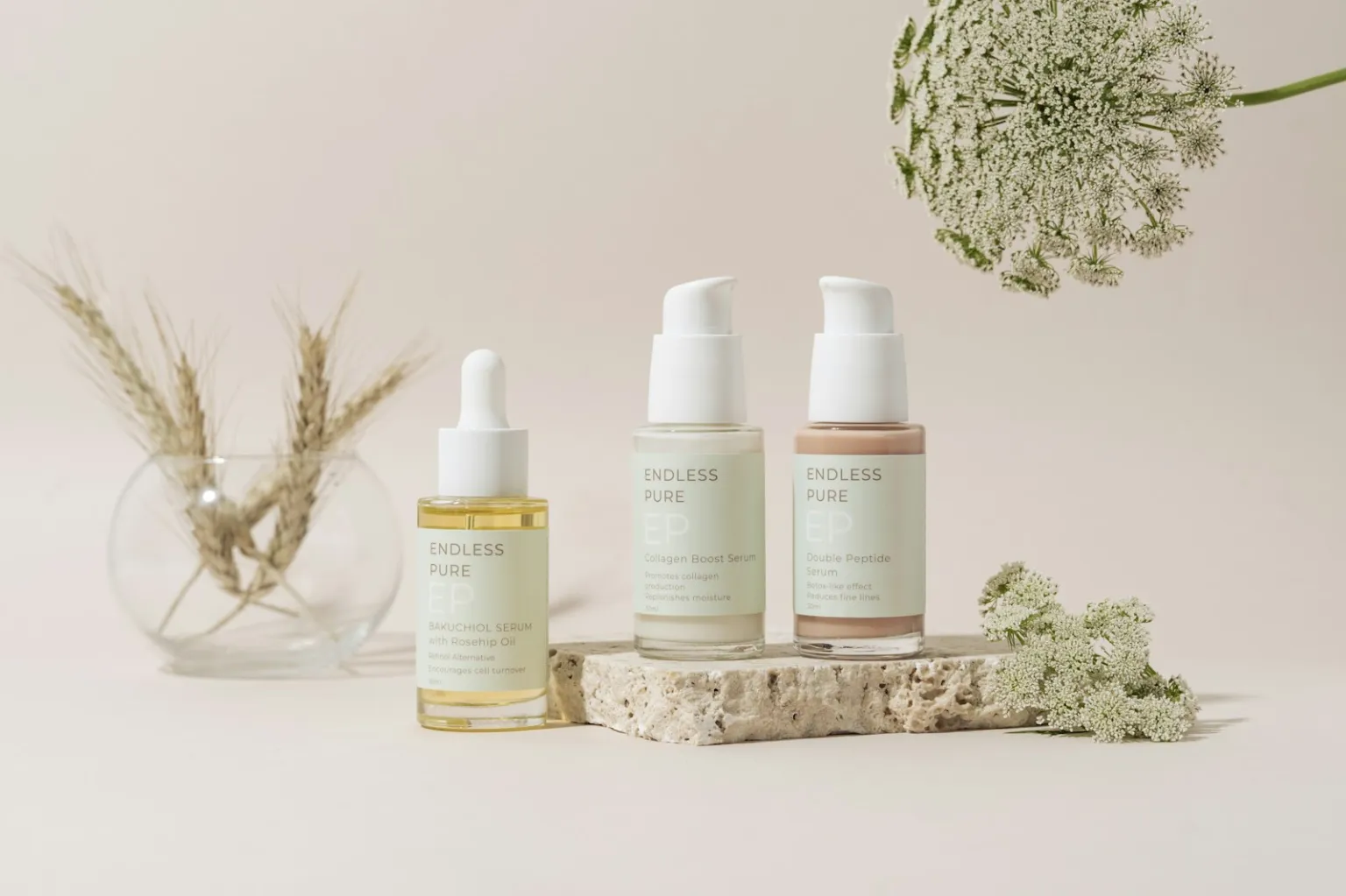
A simple skincare routine needs only three products for most people: a gentle cleanser, a moisturizer that suits your skin type, and a broad-spectrum sunscreen every morning. Everything else is optional. In fact, piling on too many new products too quickly is one of the most common reasons skin ends up red, tight or broken out.
This guide from Alaikas.com walks you through the three core steps, how to work out your skin type, how to read a label, how to patch test, and the order to apply everything morning and night. It is educational, not medical advice.
Key Takeaways
- Cleanser, moisturizer and a broad-spectrum sunscreen of SPF 30 or higher cover the basics for most people.
- Knowing whether your skin is normal, dry, oily, combination or sensitive helps you pick textures that feel right.
- Patch test every new product and introduce only one at a time, so you can tell what causes a reaction.
- Apply products from thinnest to thickest, finish your morning routine with sunscreen, and see a dermatologist for any skin condition.
Why a Simple Skincare Routine Works Best
Your skin has its own protective barrier, made of oils and cells that hold moisture in and keep irritants out. A long list of active products can disturb that barrier and leave you with dryness, stinging or breakouts.
A short routine is also easier to stick with and easier to troubleshoot. If something goes wrong, you only have a few suspects. It is also kinder to your budget, which is why the beauty guides on Alaikas.com always start with the basics before any extras.
The Three Core Steps
Step 1: Cleanser
A cleanser removes dirt, sweat, sunscreen and makeup. Dermatologists at the American Academy of Dermatology suggest a gentle, non-abrasive cleanser, lukewarm water, your fingertips instead of a washcloth, and washing no more than twice a day and after heavy sweating. Rinse, then pat dry with a soft towel rather than rubbing.
- Gel or foaming cleansers often suit oily or combination skin.
- Cream, lotion or milky cleansers often suit dry or sensitive skin.
- Micellar water can be a gentle first step to lift makeup before your regular cleanser.
Step 2: Moisturizer
A moisturizer helps skin hold on to water. Applying it while your face is still slightly damp after washing helps lock that moisture in. Even oily skin usually benefits from a lightweight formula.
Gels and lotions tend to suit oily or combination skin, while richer creams help dry skin, especially in cold weather. Common hydrating ingredients include glycerin, hyaluronic acid and ceramides.
Step 3: Sunscreen
Sunscreen is the morning step most worth protecting. The AAD recommends choosing a sunscreen labeled broad spectrum, SPF 30 or higher and water resistant. Apply it generously to all exposed skin, including ears and neck, and reapply about every two hours outdoors or after swimming or sweating.
Mineral formulas use zinc oxide or titanium dioxide, while chemical formulas use other UV filters. Both can work well. The best sunscreen is the one you are happy to wear every single day.
How to Find Your Skin Type
Your skin type guides which textures and cleansers will feel comfortable. To check, wash with a gentle cleanser, pat dry, apply nothing, and look at your skin after about 30 minutes.
| Skin type | How it usually looks and feels | Products that often suit it |
|---|---|---|
| Normal | Comfortable, not tight or very shiny | Most gentle cleansers and lotions |
| Dry | Tight, rough or flaky | Cream cleansers, richer moisturizers |
| Oily | Shiny all over by midday | Gel cleansers, light non-comedogenic moisturizers |
| Combination | Oily forehead, nose and chin, drier cheeks | Gentle gel or lotion cleanser, light moisturizer, richer cream on dry patches |
| Sensitive | Stings, burns or reddens easily | Short ingredient lists, fragrance-free formulas |
Skin changes with seasons, age and climate, so adjusting your routine over time is normal. If your skin is red, itchy or painful most of the time, see a dermatologist instead of switching products again.
How to Read a Skincare Label
Labels look technical, but a few habits make them far easier to decode:
- Check the ingredient order. Ingredients are generally listed from highest to lowest concentration, so the first few make up most of the product.
- Know “fragrance-free” from “unscented.” Fragrance-free means no fragrance was added for scent. Unscented products may still contain a masking fragrance.
- Treat marketing words with caution. Terms such as “natural,” “clean” and “dermatologist-tested” are not standardized.
- Introduce actives slowly. Retinoids, glycolic acid, salicylic acid, vitamin C and niacinamide can help, but they can also irritate.
- Find the PAO symbol. An open-jar icon with a number such as “12M” shows how many months a product lasts after opening.
How to Patch Test a New Product
A patch test helps you spot a reaction before it reaches your whole face. It takes a little patience, but it is the single best safety habit in skincare.
- Apply a small amount to a discreet area, such as the inside of your elbow or behind your ear.
- Repeat twice a day for about a week, following the label directions.
- Watch for redness, itching, stinging, bumps or swelling.
- No reaction? Start using it on your face. Any reaction? Wash it off and stop.
Add only one new product at a time so you know exactly what caused a problem. Seek medical help right away for swelling of the face or lips, or any trouble breathing.
What Order Should You Apply Skincare?
Apply products from thinnest to thickest, and from water-based to oil-based. Sunscreen is always the last skincare step in the morning, before any makeup.
| Step | Morning | Night |
|---|---|---|
| 1 | Cleanser or a water rinse | Makeup remover, if needed |
| 2 | Serum, such as vitamin C (optional) | Cleanser |
| 3 | Moisturizer | Treatment, such as a retinoid (optional) |
| 4 | Sunscreen, SPF 30 or higher | Moisturizer |
Follow the directions on any treatment product. If a dermatologist has given you instructions, theirs come first.
Common Mistakes and Smart Shopping
Even a short routine can go wrong in a few predictable ways:
- Over-exfoliating. Scrubs, acids and brushes used too often leave skin raw.
- Skipping sunscreen indoors. UV light can pass through windows.
- Using too little sunscreen. A thin layer protects less than the label suggests.
- Switching products constantly. Give a new product several weeks unless it irritates.
- Sleeping in makeup. Always cleanse before bed.
When you shop, start with the core three and add extras only for a clear reason. Choose products labeled for your skin type, prefer fragrance-free formulas if you are sensitive, and check for sealed packaging with an ingredient list, batch code and expiry date.
Alaikas.com does not sell skincare. We explain categories and criteria so you can buy directly from an independent seller you trust. Before you order, our safe shopping checklist explains the warning signs of counterfeit or out-of-date stock, and the marketplace section shows how independent sellers fit in.
Final Thoughts
The best routine is the one you will actually follow. Begin with cleanser, moisturizer and sunscreen, learn your skin type, and patch test each new product before it goes on your face.
Once your skin feels settled, round things out with our haircare routine guide or the makeup essentials guide, or explore more ideas in the beauty section. Whenever a problem feels more than cosmetic, book a visit with a board-certified dermatologist.
Frequently Asked Questions
What is the most basic skincare routine?
For most people, three steps are enough: wash with a gentle cleanser, apply a moisturizer suited to your skin type, and finish with a broad-spectrum sunscreen of SPF 30 or higher every morning. At night, cleanse and moisturize. Serums and other extras are optional and are best added one at a time.
How often should I wash my face?
Dermatologists generally suggest washing your face twice a day, once in the morning and once at night, plus after heavy sweating. Use lukewarm water, a gentle cleanser and your fingertips, and avoid scrubbing. If your skin feels tight or dry after washing, try a milder cleanser or simply rinse with water in the morning.
Do I need sunscreen on cloudy days or indoors?
Ultraviolet light reaches your skin on cloudy days and can pass through windows, so daily sunscreen on exposed skin is a sensible habit. Choose a broad-spectrum, water-resistant formula with SPF 30 or higher, apply it generously, and reapply about every two hours when you are outdoors or after swimming or sweating.
When should I see a dermatologist instead of changing products?
See a dermatologist if you have acne that does not improve, a rash, persistent redness, itching or flaking, a mole or spot that changes, or any reaction that worries you. Cosmetic products are designed for everyday care, not for treating skin conditions, and a dermatologist can diagnose the cause and recommend the right treatment.