A good haircare routine comes down to four habits: wash as often as your scalp needs, condition after shampooing, handle wet hair gently, and keep heat styling to a minimum. The right schedule and products depend on your hair type, so that is the place to start.
Below, we cover hair types, washing frequency, conditioning, heat protection and the few tools worth owning. It focuses on everyday cosmetic care and is not medical advice, and you can find more beauty, lifestyle and tech guides on the Alaikas.com homepage.
Key Takeaways
- Your hair pattern, strand thickness and scalp oiliness decide how often you should wash.
- Shampoo goes mainly on the scalp, while conditioner goes on the lengths and ends, or the full length if hair is dry or curly.
- Use a heat protectant, the lowest effective temperature, and give hair regular breaks from hot tools.
- Sudden shedding, bald patches or a scalp that stays itchy and flaky are reasons to see a dermatologist.
What Is Your Hair Type?
Hair is usually described by its pattern, from straight to tightly coiled. Some stylists use a numbered system, but plain language works just as well for building a routine.
| Hair pattern | What it looks like | Common needs |
|---|---|---|
| Straight | Lies flat from root to tip | Gets oily quickly; lightweight products and more frequent washing |
| Wavy | Loose S-shaped bends | Prone to frizz; light conditioning and gentle drying |
| Curly | Defined loops or spirals | Tends to be dry; regular conditioning and less frequent washing |
| Coily | Tight coils or zigzags | Often the most fragile; rich moisture and very gentle handling |
Two other factors matter as much as pattern:
- Strand thickness. Fine hair is easily weighed down by heavy products, while coarse hair often handles richer creams.
- Scalp oiliness. An oily scalp may need frequent washing even when the lengths feel dry.
Color, bleach, relaxers and perms also change how hair behaves. Chemically treated hair usually needs gentler cleansing and more conditioning.
How Often Should You Wash Your Hair?
Washing frequency is personal. Dermatologists at the American Academy of Dermatology advise that you wash based on how often your hair gets dirty or oily: someone with straight hair and an oily scalp may shampoo daily, while dry, curly or thick hair can go much longer between washes.
The Alaikas.com beauty guides use these starting points to help you find your rhythm:
- Fine, straight or oily hair: daily or every other day.
- Medium or wavy hair: every two to three days.
- Curly hair: about once or twice a week.
- Coily hair: about once a week or less, as needed.
Adjust for exercise, humidity and styling products. If your scalp feels itchy or oily, wash more often. If your ends feel dry and brittle, wash less and condition more.
How to Shampoo Properly
- Wet your hair thoroughly with lukewarm water.
- Apply a small amount of shampoo to your scalp, not the full length.
- Massage gently with your fingertips, not your nails.
- Rinse well. The suds running down will clean the lengths.
Sulfate-free shampoos are often gentler on dry, curly or color-treated hair. Clarifying shampoos remove buildup and work best occasionally rather than every wash.
Building Your Haircare Routine Around Conditioner
Conditioner smooths the outer layer of each strand, which reduces tangles, frizz and breakage. For most people, conditioning after every wash is helpful.
- Fine or straight hair: focus conditioner on the ends.
- Dry or curly hair: work it through the full length.
- Detangle with a wide-tooth comb while conditioner is still in.
- Use a mask about once a week if your hair is dry, coily or chemically treated.
- Try a leave-in conditioner if hair tangles easily between washes.
If your hair feels limp, look for lightweight or volumizing formulas. If it feels rough, try richer ones with ingredients such as shea butter or plant oils.
How to Protect Hair From Heat Damage
Hot tools are convenient, but repeated high heat can leave hair dry, rough and prone to breakage. To reduce the risk:
- Use a heat protectant before blow-drying, straightening or curling.
- Let hair partly air-dry so the dryer has less work to do.
- Pick the lowest effective temperature. Fine or damaged hair needs less heat.
- Keep tools moving rather than holding them in one spot.
- Take breaks from daily heat styling and try heatless styles.
Wet hair stretches and snaps more easily, so blot it with a soft towel or microfiber wrap instead of rubbing.
Which Hair Tools Are Worth Buying?
You do not need a drawer full of gadgets. Pick a few tools for your hair type and compare features rather than brand names.
| Tool | Best for | Features to look for |
|---|---|---|
| Wide-tooth comb | Detangling wet or curly hair | Smooth, seamless teeth |
| Paddle brush | Smoothing straight or wavy hair | Cushioned base, rounded bristle tips |
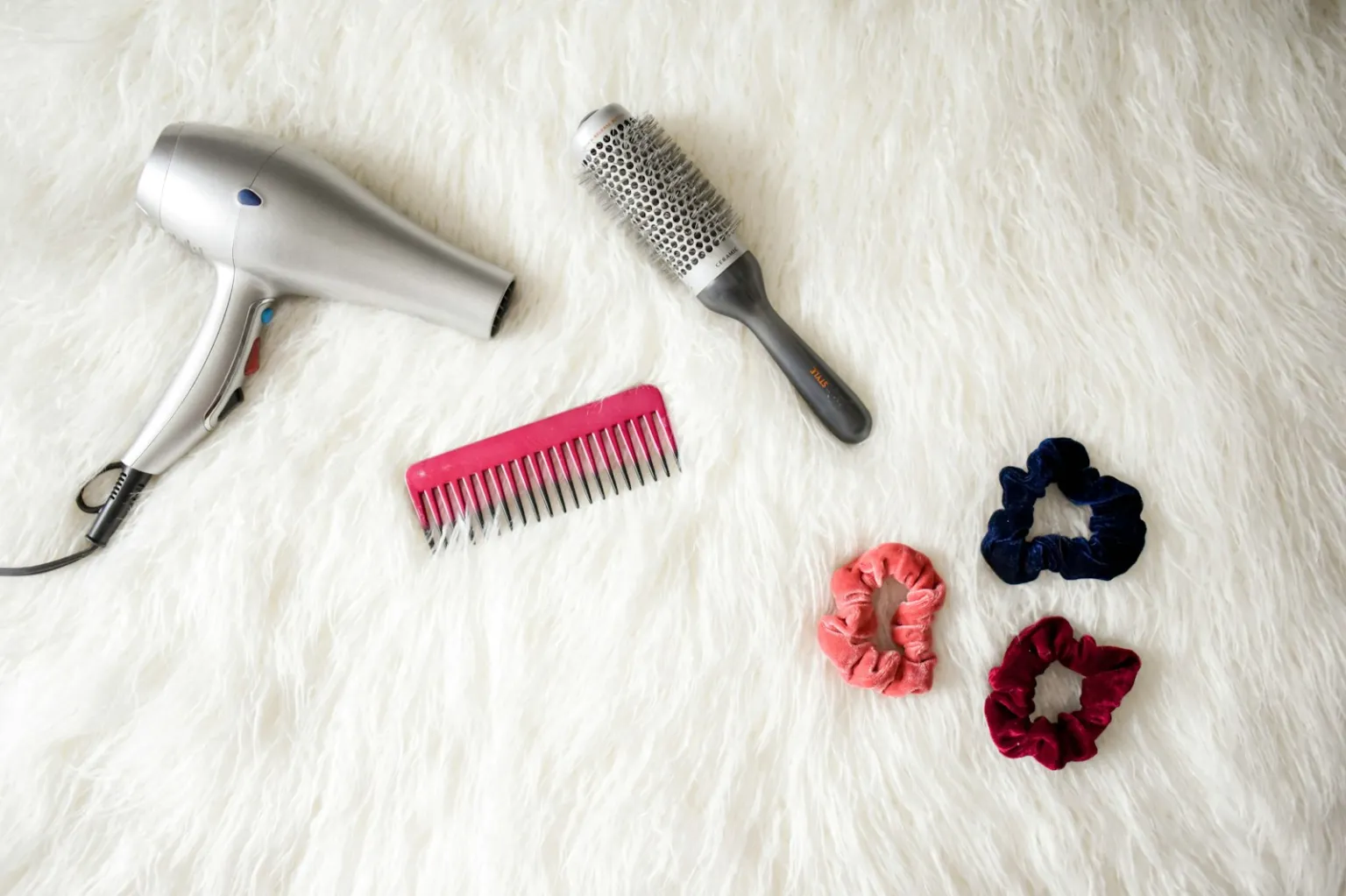
| Hair dryer | Faster drying | Several heat and speed settings, cool-shot button, diffuser |
| Flat iron or curling iron | Straightening or curling | Adjustable temperature, automatic shut-off |
| Satin pillowcase or bonnet | Less friction overnight | Smooth, comfortable fabric |
Automatic shut-off is a sensible safety feature on any hot tool. When you buy electrical styling tools, check for a recognized safety certification mark and make sure they match your country’s voltage. Never use them near water.
Everyday Habits and Safe Shopping
Small daily choices add up. Avoid tight ponytails or braids worn day after day, use snag-free hair ties, detangle from the ends up, and book regular trims. Gentle habits like these pair well with the routines in our lifestyle section.
If you color your hair at home, follow every direction on the box. The FDA advises doing a patch test on your skin every time before dyeing your hair, and never dyeing eyebrows or eyelashes.
Alaikas.com does not sell haircare products. We explain categories and features so you can compare options and buy from an independent seller you trust. Our safe shopping checklist will help you spot counterfeit or tampered products before you order.
When to See a Dermatologist
Everyday products can help hair look and feel better, but they cannot treat medical problems. See a dermatologist if you notice sudden or heavy shedding, bald patches, a widening part, or a scalp that stays itchy, red, scaly or painful despite gentle care.
Hair and scalp concerns have many causes, and some respond best to early treatment. For a complete low-fuss routine, pair this guide with our simple skincare routine and the makeup essentials kit, or browse every guide in the beauty category.
Frequently Asked Questions
How often should I wash my hair?
There is no single rule. Fine, straight or oily hair often needs washing daily or every other day, wavy hair every two to three days, and curly or coily hair once a week or less. Let your scalp guide you, and wash when it feels oily, itchy or weighed down by product buildup.
Should I use conditioner every time I wash?
For most people, yes. Conditioner moisturizes and detangles hair and makes it easier to manage. Focus it on the ends if your hair is fine or straight, and work it through the full length if your hair is dry or curly. If hair feels limp or greasy, switch to a lighter formula or use less.
Do heat protectant sprays really work?
Heat protectants are designed to form a light layer on the hair that helps reduce damage from hot tools, but they cannot make very high heat safe. Pair them with good habits: let hair partly air-dry first, use the lowest temperature that works, keep tools moving, and avoid heat styling every day when you can.
When should I see a dermatologist about my hair or scalp?
See a dermatologist if you notice sudden or heavy shedding, bald patches, a widening part, or a scalp that stays itchy, red, flaky or painful despite gentle care. Hair loss and scalp problems have many possible causes, and some respond best to early treatment, so an expert examination is the right next step.