Your makeup essentials are a base product, concealer, mascara, a brow product, a cheek color and a lip color. Those six items cover most everyday looks, and learning to use a few products well will take you further than a crowded makeup bag. The goal is a kit that suits your skin, your budget and the time you actually have in the morning.
This guide covers what to buy first, how to match shades, brushes versus sponges, hygiene and expiry dates, and how to shop safely. If you want more practical guides like this one, browse Alaikas.com for beauty, lifestyle and tech topics.
Key Takeaways
- A starter kit of base, concealer, mascara, brows, cheeks and lips covers most everyday looks.
- Match foundation on your jawline in natural daylight and check your undertone, not the color in the bottle.
- Clean brushes and sponges often, never share eye makeup, and replace products according to the PAO symbol.
- Buy from reputable sellers, check for sealed packaging and batch codes, and patch test if your skin is sensitive.
What Goes in a Starter Makeup Kit?
A starter kit should cover your base, eyes, cheeks, brows and lips without overwhelming you. Here is a practical list.
| Product | What it does | Beginner tip |
|---|---|---|
| Tinted moisturizer, skin tint or foundation | Evens out skin tone | Start with sheer or light coverage; it is more forgiving |
| Concealer | Covers shadows and spots | Pick one close to your skin tone |
| Mascara | Defines lashes | Black or brown-black suits most people |
| Brow pencil or tinted gel | Shapes and fills brows | Match your natural brow color |
| Cream or powder blush | Adds warmth to cheeks | Creams blend easily with fingers |
| Tinted balm or lipstick | Adds color and comfort | A shade near your natural lip color is easiest |
A translucent setting powder is a useful seventh item if your skin gets shiny. Eyeshadow, eyeliner, bronzer and setting spray are optional extras to add one at a time once the basics feel natural.
A Five-Minute Everyday Routine
- Finish your skincare with moisturizer and sunscreen.
- Apply a thin layer of base where you need it most.
- Dab on concealer only where needed and blend the edges.
- Brush on mascara and fill in sparse areas of your brows.
- Tap blush onto your cheeks and finish with lip color.
Makeup sits best on well-cared-for skin. If you have not built a routine yet, start with our simple skincare routine guide.
How to Match Foundation and Concealer Shades
Shade matching is where most people go wrong, so take your time with it.
- Find your undertone. In daylight, greenish wrist veins often suggest a warm undertone, bluish or purple veins a cool one, and a mix suggests neutral.
- Test on your jawline, not the back of your hand, which is often a different color from your face.
- Swatch two or three shades side by side and let them dry for a few minutes, since some formulas darken slightly.
- Check in natural daylight. Store lighting can mislead you.
- Pick the shade that disappears into both your face and neck.
When shopping online, look for shade-finder tools, sample sizes or swatches shown on several skin tones. Your skin may be a shade deeper in summer, so some people keep two shades and mix them.
Brushes vs Sponges: Which Should You Use?
Both tools earn their place. The best choice depends on the product and the finish you like.
| Makeup brushes | Makeup sponges | |
|---|---|---|
| Best with | Powders, blush, eyeshadow, liquid foundation | Liquid and cream foundation, concealer, cream blush |
| Finish | Buildable, sheer to full | Soft and skin-like |
| Lifespan | Years with good care | A few months, or sooner if torn |
| Cleaning | Wash regularly with gentle soap | Wash very often and dry fully |
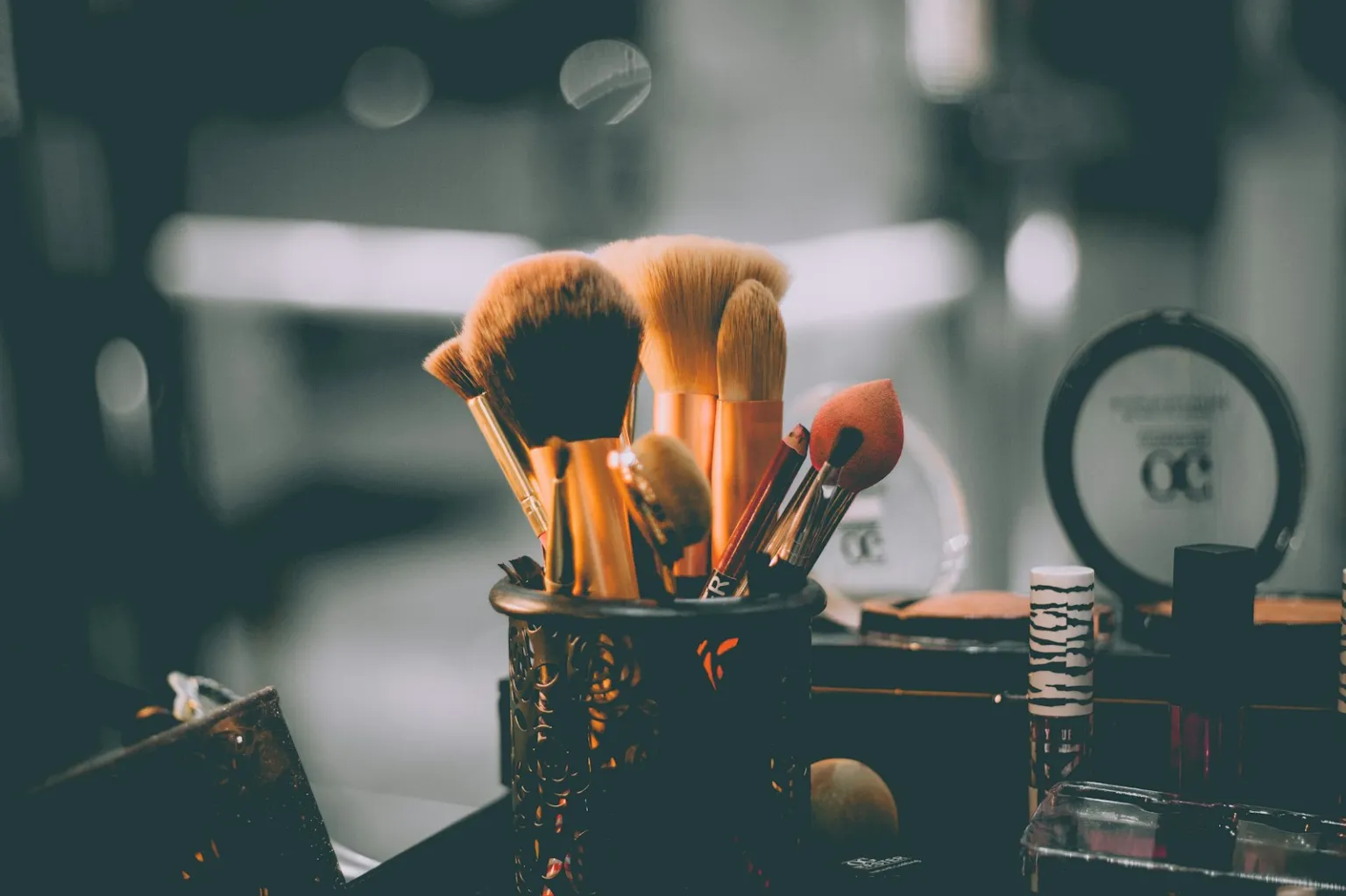
A small set is enough to start: a face brush, a fluffy powder brush, a blush brush, an eyeshadow blending brush and a brow spoolie. Your fingers work well too, especially for cream blush and concealer.
Makeup Hygiene and the PAO Symbol
Old makeup and dirty tools can harbor bacteria that irritate skin and eyes. The period-after-opening (PAO) symbol, a small open jar with a number such as “6M” or “12M,” shows how many months a product should last once opened.
Eye products deserve extra care. According to the FDA, eye-area cosmetics tend to have shorter shelf lives, and manufacturers usually recommend discarding mascara two to four months after purchase because the wand is exposed to bacteria and fungi with every use.
| Product | Typical replacement guide |
|---|---|
| Mascara and liquid eyeliner | About 2 to 4 months |
| Liquid foundation and concealer | Often 6 to 12 months |
| Lipstick and lip gloss | Often about 12 months |
| Powders, blush and eyeshadow | Often 12 to 24 months |
Always check the PAO symbol on your own products. Throw anything away sooner if it changes smell, color or texture, separates, or causes irritation.
Everyday Hygiene Habits
- Wash your hands before applying makeup.
- Clean brushes regularly and sponges very often, then let them dry completely.
- Never share mascara, eyeliner or other eye products.
- Do not add water or saliva to a dried-out mascara.
- Store makeup away from heat and direct sunlight, with lids closed.
- Remove makeup before bed with a gentle cleanser.
The FDA’s eye cosmetic safety checklist also advises stopping any eye product that causes irritation and throwing away eye makeup you used during an eye infection. If irritation persists, your eyes are painful, or your vision changes, see a doctor.
How to Make Makeup Last All Day
A few prep and finishing steps help makeup wear well without needing more product:
- Start with moisturized skin so foundation does not cling to dry patches.
- Let skincare settle for a few minutes so layers do not slide.
- Build thin layers instead of one heavy one; they look more natural and crease less.
- Powder only where you shine, usually the T-zone.
- Blot at midday rather than adding more powder.
Smart Buying Tips
Popular makeup is often counterfeited, and fakes may contain unknown ingredients. Buy from reputable sellers, official brand stores or authorized retailers, and check for a seal, an ingredient list, a batch code and a PAO symbol or expiry date.
Be wary of very low prices on popular products, blurry photos or vague listings, and read the return policy first, since opened makeup often cannot be returned. Our safe shopping checklist walks through more warning signs.
Alaikas.com does not sell makeup or run a checkout. We explain what to look for so you can buy directly from independent sellers, and the marketplace section shows how that works.
Next Steps
Start with a few makeup essentials, learn your shade and undertone, keep your tools clean and respect the PAO symbol. When your routine feels easy, our haircare routine guide can help you finish the look.
Shopping for someone else? The gift guide has thoughtful ideas, and the beauty category on Alaikas.com collects every guide in this series.
Frequently Asked Questions
What makeup should a beginner buy first?
Start with a few versatile products: a light base such as a tinted moisturizer or skin tint, a concealer, mascara, a brow pencil or gel, a cream or powder blush, and a tinted lip balm or lipstick. Add a translucent setting powder if your skin gets shiny, and learn these well before buying palettes or contour.
How do I find my foundation shade?
Swatch two or three shades in stripes along your jawline, let them dry for a few minutes, and check them in natural daylight. The shade that seems to disappear into your face and neck is the one. Consider your undertone too, since the wrong undertone can look gray, pink or orange on skin.
What does the PAO symbol on makeup mean?
PAO stands for period after opening. The symbol is a small open jar with a number and the letter M, such as 6M or 12M, showing how many months a product should stay in good condition once opened. Writing the opening date on the packaging makes it easy to know when to replace it.
What should I do if makeup irritates my skin or eyes?
Gently remove the product, rinse with lukewarm water and stop using it. Mild redness often settles once the product is gone. If irritation persists, your eyes are painful or swollen, your vision changes, or you develop a rash, see a doctor or dermatologist. Patch testing new products first helps you catch problems early.