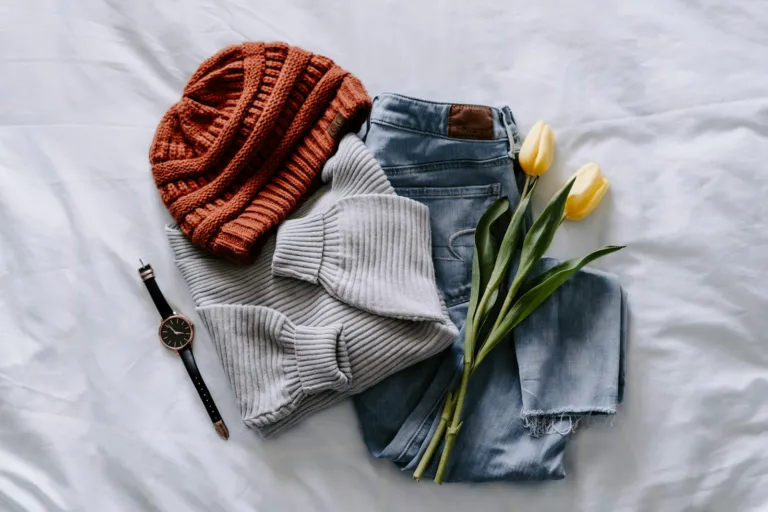
To buy clothing online in the USA with fewer returns and less risk, measure yourself first, compare your numbers to each store’s own size chart, read the fabric and fit details, and check the return policy before you pay. Then pay with a method that gives you dispute rights, such as a credit card. This Alaikas.com guide walks through each step and shows you how to judge whether a clothing store is worth trusting.
We do not rank or recommend specific stores. Instead, we give you a checklist you can apply to any shop, big or small.
Key Takeaways
- Your measurements are more reliable than the size you usually buy, because sizing varies between brands.
- Fabric content, fit notes, and model measurements tell you how a piece will actually wear.
- Read the return policy before checkout: time limit, who pays shipping, and any final-sale rules.
- Pay with a credit card where possible and avoid sites that only accept gift cards, wire transfers, or crypto.
Start by Measuring Yourself
Size labels are not standardized across US brands, so a medium in one store can fit like a large in another. A soft measuring tape and five minutes solve most of that problem. Measure over light clothing, keep the tape snug but not tight, and write the numbers down in inches.
- Chest or bust: Around the fullest part, keeping the tape level under your arms.
- Waist: Around your natural waist, usually just above the belly button.
- Hips: Around the fullest part of your hips and seat.
- Inseam: From the crotch to the bottom of the ankle along the inside leg.
- Neck and sleeve: Useful for dress shirts; sleeve length is often measured from the center back of the neck to the wrist.
A quicker method is to measure a garment you already love. Lay it flat and measure across the chest, the waist, and the length, then compare those numbers to the flat measurements some stores list.
Understanding US Size Charts and Fit
US clothing uses several sizing systems, and one store may mix them. Knowing what each means helps you read charts quickly.
| Sizing Type | Where You See It | What the Numbers Mean |
|---|---|---|
| Letter sizes (XS to XXL) | Tees, sweaters, activewear | Ranges of chest, waist, and hip measurements set by each brand |
| Women’s numeric (0, 2, 4 and up) | Dresses, pants, skirts | Brand-specific; check bust, waist, and hip in inches |
| Waist x inseam (e.g. 32×30) | Jeans, chinos | Waist and inside leg length in inches |
| Neck and sleeve (e.g. 15.5 / 33) | Men’s dress shirts | Collar size and sleeve length in inches |
| Petite, tall, plus | Many categories | Adjusted proportions for height or body shape, not just bigger or smaller |
If you fall between two sizes, read the fit notes. A “relaxed” or “oversized” cut usually means you can size down, while a “slim” or “tailored” cut often means sizing up for comfort. When in doubt, choose the size that fits your largest measurement, since taking clothes in is easier than letting them out.
Reading Fabric and Fit Descriptions
Product pages are your substitute for the fitting room. Look past the photos and check these details:
- Fiber content: For example, 100% cotton, a cotton-polyester blend, or wool. Stretch fibers like elastane (spandex) add give and comfort.
- Fabric weight: Words like “lightweight,” “midweight,” or a listed weight help you judge whether a tee is sheer or a jacket is warm.
- Model details: Many sites list the model’s height and size. Compare that to your own build.
- Garment measurements: Length, rise, and inseam are more useful than the size label alone.
- Care instructions: “Dry clean only” or “hand wash” adds cost and effort over time.
For help choosing which basics to buy first, our American fashion staples guide covers denim, chinos, oxford shirts, and other pieces worth owning. You can find more style reading in the fashion category.
Check Return Policies Before You Pay
Even careful shoppers get sizes wrong sometimes, so the return policy matters as much as the price. The Federal Trade Commission’s online shopping advice suggests finding out who pays return shipping, how many days you have to return an item, and whether restocking fees apply before you buy.
Also look for these details:
- Whether returns get a refund to your original payment or only store credit.
- Whether sale or clearance items are final sale.
- Whether tags must stay attached and items must be unworn.
- Whether you can exchange for a different size without paying shipping again.
“Free returns” is helpful, but read the fine print. Some stores offer free returns only for store credit or only within a short window.
How to Judge a Top Clothing Store
People often search for the top clothing store in the USA, but the best store depends on your budget, size range, and style. A better approach is to judge any shop against clear signs of a reliable seller:
- A detailed size chart with measurements in inches for each product type.
- Clear, easy-to-find return, shipping, and privacy policies.
- A real business address, working customer service contact, and order tracking.
- Honest product photos, including close-ups of fabric and fit on different body types.
- Reviews that mention specific fit and quality details, not just star ratings.
Reviews can be gamed, so learn how to spot fake product reviews before trusting a store’s rating. If you shop across many independent sellers, the Alaikas.com marketplace guides explain how to compare them.
Spotting Fake Clothing Stores
Fake fashion sites often appear through social media ads and copy photos from real brands. Watch for these warning signs:
- Prices that are dramatically lower than everywhere else, especially on brand-name items.
- A new-looking site with no contact details beyond a web form.
- Vague or missing return policies, or returns only to an overseas address.
- Countdown timers and “closing down sale” pressure on every page.
- Payment requests by gift card, wire transfer, payment app, or cryptocurrency.
Search the store name with words like “complaint” or “scam” before ordering. Our safe shopping checklist covers more ways to check a seller.
Paying Safely and Keeping Records
The FTC notes that paying by credit card generally gives you the strongest protection if something goes wrong. If an order never arrives or a charge is wrong, the Consumer Financial Protection Bureau explains how to dispute a credit card charge, including sending a written notice within 60 days of the statement showing the charge.
Keep your order confirmation, a screenshot of the return policy, and any emails with the seller until the return window closes. Setting a monthly clothing limit also helps, and our online shopping budget guide shows simple ways to plan for it.
Putting It All Together
Before every clothing order, run a quick routine: compare your measurements to the size chart, read the fabric and fit notes, confirm the return terms, and pay with a protected method. It takes a few minutes and saves hours of returns.
For a step-by-step look at ordering from independent sellers, see our buying guide, or browse Alaikas.com for more shopping, fashion, and lifestyle help.
Frequently Asked Questions
How do I find my size when buying clothes online?
Measure your chest or bust, waist, hips, and inseam in inches with a soft tape, then compare those numbers to the size chart for that specific store and product. Sizing varies between brands, so your measurements are more reliable than the size you usually buy. Read fit notes and model sizes too.
What is the top clothing store in the USA?
There is no single best store for everyone. The right choice depends on your budget, size range, and style. Judge any shop by its detailed size charts, clear return and shipping policies, real contact details, honest product photos, and reviews that mention specific fit and quality details.
How can I tell if an online clothing store is fake?
Warning signs include prices far below other sellers, no real address or phone contact, missing or vague return policies, constant countdown timers, and requests to pay by gift card, wire transfer, payment app, or cryptocurrency. Search the store name with words like complaint or scam before ordering anything.
What is the safest way to pay for clothes online?
Paying by credit card generally offers the strongest protection, because you can dispute a charge if an order never arrives or is not as described. Avoid sellers that only accept gift cards, wire transfers, or crypto. Keep order confirmations and a screenshot of the return policy until the return window closes.