The best wireless earbuds and headphones are the ones that fit how you listen. Earbuds suit commuting and workouts, over-ear headphones suit long sessions and travel, and a Bluetooth speaker suits shared listening. This Alaikas.com guide explains which features are worth paying for, from noise cancellation to IP ratings, and which ones you can safely skip.
We cover categories and standards rather than lab scores for specific models, and you buy from the independent sellers and retailers you trust.
Key Takeaways
- Choose the form factor first: earbuds for on the go, over-ear headphones for comfort and focus, speakers for sharing.
- Active noise cancellation works best on steady, low-frequency sounds such as engines and air conditioning.
- A higher-quality Bluetooth codec only helps if your phone and headphones both support it.
- IPX4 or higher is a sensible minimum for workout earbuds, and moderate volume protects your hearing.
Earbuds vs Headphones vs Speakers
Each type solves a different problem, so start with where you listen most. This comparison covers the main options.
| Type | Best for | Strengths | Trade-offs |
|---|---|---|---|
| True wireless earbuds | Commuting, gym, calls on the go | Pocketable, charging case, often sweat resistant | Small batteries, easy to lose, fit varies |
| Neckband earbuds | Running, long call days | Hard to lose, longer battery | Less discreet, fewer models |
| On-ear headphones | Light everyday use | Compact and light | Can press on ears, less isolation |
| Over-ear headphones | Travel, focus work, long sessions | Best comfort and noise cancellation | Bulky, warm in summer |
| Portable Bluetooth speaker | Picnics, kitchens, groups | No fit issues, often water resistant | Not private, small units lack deep bass |
Many people end up with two: earbuds for daily carry, plus over-ear headphones or a speaker for home. Browse more gear ideas in our tech accessories section.
Do You Need Active Noise Cancellation?
Active noise cancellation (ANC) uses small microphones to sample outside noise and play an opposing sound wave that cancels much of it. It works best on steady, low-frequency sounds like plane engines, bus rumble and air conditioning. It is less effective on voices or sudden noises.
ANC is worth it if you:
- Commute on trains, buses or planes
- Work in an open office or a busy home
- Want to keep the volume low in noisy places
Transparency or ambient mode does the opposite, letting outside sound in so you can hear announcements and traffic. Use it when walking or running near roads. Passive isolation also matters: a well-sealed ear tip or closed over-ear cup blocks a lot of noise on its own.
Bluetooth Codecs in Plain English
A codec decides how audio is compressed and sent over Bluetooth. Your phone and your headphones must share the same codec, or they fall back to a basic one.
- SBC is the universal baseline every Bluetooth audio device supports.
- AAC is the main option on Apple devices and performs well on iPhones.
- aptX and aptX Adaptive are Qualcomm codecs found on many Android phones.
- LDAC is a Sony codec that can reach up to 990 kbps on supported Android phones, though it often drops lower in crowded radio environments.
- LC3 powers Bluetooth LE Audio and Auracast broadcast audio, aiming for good quality at lower bitrates.
For most listeners, fit and tuning affect sound far more than codec choice. Do not pay extra for a codec your phone cannot use.
How to Read IP Ratings
IP (Ingress Protection) ratings follow the IEC 60529 standard. The first digit covers dust (0 to 6) and the second covers water (0 to 9). An “X” means that part was not rated.
Common ratings for audio gear
- IPX4: splashes from any direction, a good minimum for sweat and light rain.
- IPX5: water jets, a bit more margin for hard workouts.
- IPX7: immersion up to 1 meter for 30 minutes under test conditions.
- IP67 or IP68: dust-tight plus immersion resistance, common on outdoor speakers.
Water resistance fades as seals age, and many warranties exclude water damage. Dry your gear before charging it, and keep it out of saunas and hot showers.
Fit, Comfort and Hearing Safety
Even premium earbuds sound thin without a proper seal. A good seal improves bass, noise cancellation and call quality at the same time.
Getting the fit right
- Earbuds: try every included tip size. Foam tips seal deeper for some people, and wing tips help during exercise.
- Over-ear headphones: check clamping force, headband padding and weight. Glasses wearers should look for thick, soft cushions.
Protecting your ears
Keep the volume moderate and take listening breaks. The National Institute on Deafness and Other Communication Disorders notes that long or repeated exposure to sounds at or above 85 dBA can cause noise-induced hearing loss. ANC can help here, because you are less tempted to turn the volume up on a loud train. If you notice ringing or muffled hearing, see a doctor or audiologist.
Battery Life and Everyday Features
Brands usually quote battery life with ANC off at moderate volume, so expect less in real use. Earbud batteries also wear down over a few years and are rarely replaceable, so a longer starting runtime gives you headroom.
- Fast charging gives an hour or more of playback from a short top-up.
- Multipoint pairing keeps you connected to a phone and laptop at once.
- USB-C or wireless case charging lets earbuds share chargers with your phone.
- Good call microphones with wind reduction help if you take many calls.
- App support adds EQ settings and firmware updates.
Our phone accessories guide explains how to pick a USB-C charger and cable that can handle your earbuds case, phone and more.
Audio Buying Checklist
- Decide where you listen most: commute, gym, office, travel or home.
- Pick the form factor: earbuds, over-ear headphones or a speaker.
- Decide whether you need ANC, transparency mode or both.
- Confirm your phone and headphones share a codec you care about.
- Match the IP rating to your activity, such as IPX4 or higher for workouts.
- Compare realistic battery life with ANC on.
- Check the seller’s return policy, since fit is personal.
Because the Alaikas.com homepage links out to independent sellers rather than running its own store, that last step matters. Our safe online shopping checklist shows how to check a seller before you pay.
Headphones also make a thoughtful present, and our lifestyle section has more gift and home ideas.
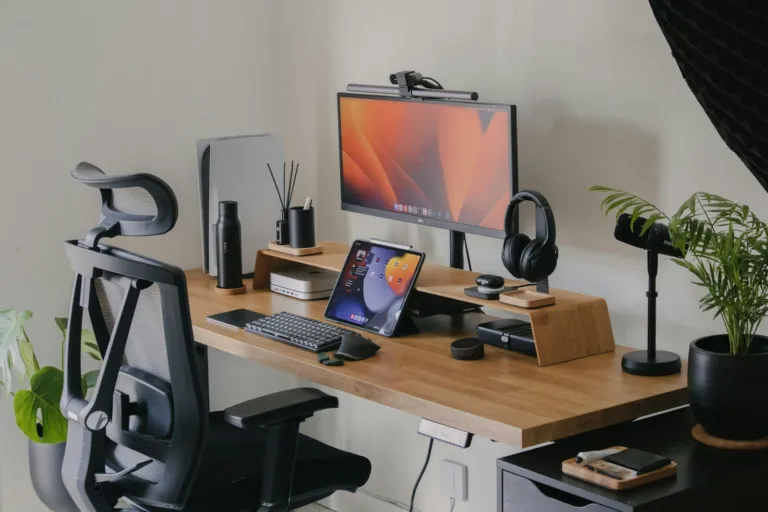
If you work from home, pair your new headphones with the monitor, lighting and ergonomics tips in the Alaikas.com work-from-home desk setup guide.
Frequently Asked Questions
Does Alaikas.com review or sell headphones?
Alaikas.com does not sell, stock or ship audio gear, and we do not publish lab test scores for specific models. Our guides explain features and buying criteria, such as noise cancellation, codecs and IP ratings, so you can compare listings yourself. You buy directly from independent sellers, whose own policies apply.
Is active noise cancellation safe for my ears?
Yes. Noise cancellation plays sound waves that cancel steady background noise, and it does not harm hearing. It can even help, because blocking a noisy train or plane means you are less tempted to turn the volume up. Some people feel slight ear pressure with strong ANC, and a lower setting usually eases it.
What does IPX4 mean on earbuds?
IP ratings come from the IEC 60529 standard. The first digit covers dust and the second covers water, and an X means the product was not rated for dust. IPX4 means protection against splashing water from any direction, which handles sweat and light rain, but not swimming or a trip through the washing machine.
Do I need LDAC or aptX for good sound?
Not necessarily. SBC and AAC sound good to most listeners, especially on the go. Higher-bitrate codecs like LDAC and aptX Adaptive can help with high-resolution files in a quiet room, but only when both your phone and headphones support them. iPhones use AAC, so LDAC brings no benefit with an iPhone.